
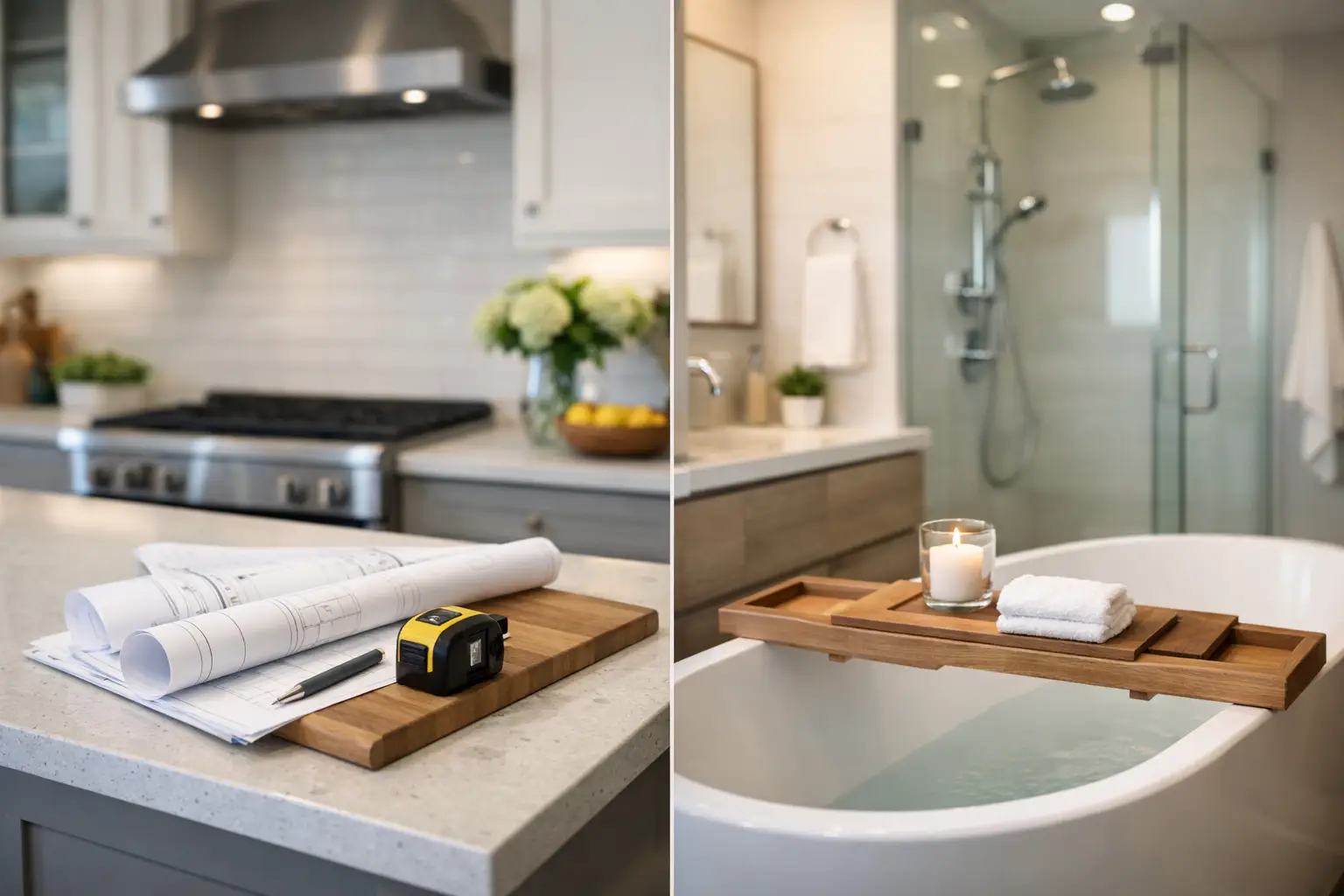
A remodel usually feels simple at the start. New tile, better lighting, updated cabinets. Then the real questions show up. Will the plumbing need to move? Are the cabinets worth saving? How much disruption can your household handle? That is where kitchen and bathroom remodeling either stays on track or starts getting expensive.
For most homeowners in Dallas-Fort Worth, these are the two rooms that carry the most daily wear and the most decision-making. They affect how your home functions every morning and every night. They also bring together finishes, fixtures, electrical work, plumbing, storage, and layout in one project. If one part is overlooked, the whole job can suffer.
Good remodeling is not just about making a room look newer. It is about solving practical problems while improving comfort, durability, and value. That means choosing upgrades that fit the way you actually live, not just what looks good in a photo.
Why kitchen and bathroom remodeling needs a clear plan
Kitchens and bathrooms are high-use spaces with little room for mistakes. A cabinet issue in a guest room is inconvenient. A plumbing issue behind a shower wall or under a kitchen sink can become a repair project fast. That is why planning matters more here than in almost any other part of the home.
The strongest projects begin with a realistic scope. Sometimes a homeowner needs a full remodel because the layout is inefficient, the finishes are outdated, and the plumbing is aging. Other times, the better move is targeted improvement: replacing a vanity, upgrading tile, converting a tub to a shower, or fixing damaged plumbing while refreshing the room around it.
This is also where experience matters. Design choices and repair needs often overlap. If a bathroom floor is being replaced, it makes sense to check what is happening underneath. If kitchen fixtures are being updated, it is smart to evaluate shutoff valves, supply lines, and drain performance before everything is closed back up.
When a remodel is worth it
Not every older kitchen or bathroom needs a full gut job. The right answer depends on condition, budget, and how long you plan to stay in the home.
A remodel is usually worth serious consideration when the space has recurring plumbing issues, visible wear, poor storage, dated materials, or a layout that no longer works for your household. In bathrooms, common triggers include cracked tile, leaking tubs or showers, soft spots in flooring, failing fixtures, and vanities that do not provide enough function. In kitchens, it is often a combination of worn cabinets, limited prep space, poor lighting, and fixtures or plumbing that are past their prime.
Resale can be part of the decision, but daily use should lead. Homeowners tend to get the most satisfaction from projects that fix everyday frustrations. A walk-in shower that is easier to clean and use often matters more than a trend-driven finish. Better drawer storage and improved lighting in a kitchen can change the room more than a dramatic but impractical design choice.
Kitchen and bathroom remodeling priorities that make the biggest difference
The best upgrades usually improve function first and appearance second. That does not mean style is secondary. It means the finish choices should support the room instead of distracting from problems underneath.
In bathrooms, water management comes first
Bathrooms ask a lot from every material in the room. Moisture resistance, proper installation, and plumbing reliability are non-negotiable. Shower systems, wall surrounds, tile work, glass enclosures, vanities, and fixtures all have to perform together.
A bathroom remodel should address what you do not see as carefully as what you do. Waterproofing details, drain performance, slope, valve quality, and fixture installation matter just as much as tile selection. If those basics are handled well, the room lasts longer and requires fewer callbacks and repairs.
For many homeowners, shower and tub conversions offer one of the clearest functional improvements. Replacing an outdated tub with a well-built shower can make the room easier to use, more accessible, and visually cleaner. The trade-off is that every home has different needs. Families with young children may still want at least one tub in the house, while empty nesters may prioritize a larger shower and simpler maintenance.
In kitchens, workflow and storage matter more than square footage
A kitchen does not always need to be bigger to work better. Sometimes it needs smarter cabinet design, more efficient fixture placement, better lighting, and finishes that are easier to maintain.
Homeowners often focus first on countertops or cabinet color, but layout efficiency is what changes daily use. How easily can you prep, cook, clean, and store what you use most? Are drawers and cabinets designed around the way your household functions, or are you working around the room every day?
Even modest kitchen updates can pay off when they solve real problems. Replacing worn fixtures, improving cabinet storage, updating surfaces, and correcting plumbing issues can make the space feel significantly more useful without the cost and disruption of a total reconfiguration.
Budgeting without guessing
One of the fastest ways a remodel gets stressful is when the budget only covers finishes and ignores construction realities. Homeowners often build a number around tile, cabinets, or fixtures, then get surprised by plumbing corrections, substrate repair, or installation details that were always going to be part of the job.
A practical remodeling budget should account for three things: the visible materials, the labor needed to install them correctly, and a cushion for hidden conditions. Kitchens and bathrooms are the rooms where hidden conditions show up most often. Water damage, outdated supply lines, uneven walls, and previous repair work can all affect the final scope.
That does not mean every project becomes unpredictable. It means a responsible contractor should talk through likely variables early, not after demolition. Clear communication on scope, allowances, timeline, and possible repair needs helps prevent the kind of surprises that damage trust.
Choosing materials that hold up
A remodel should look good on day one, but it also needs to perform a year from now. That is especially true in homes with kids, pets, guests, or heavy daily use.
In bathrooms, homeowners usually benefit from materials that are easy to clean, resistant to moisture, and less likely to show wear quickly. In kitchens, durability matters just as much, especially around sinks, counters, cabinet hardware, and flooring.
This is where trend chasing can create regret. Some materials photograph well but require more upkeep than homeowners expect. Others look simple in the showroom and end up being the better long-term choice because they clean easily, resist staining, or age more consistently. The right selection depends on your routine, not someone else’s design board.
Why repair knowledge matters in remodeling
There is a major difference between replacing finishes and truly improving a room. In kitchen and bathroom remodeling, the best results often come from contractors who understand both construction and repair.
That matters because many remodels begin with a problem, not just a preference. A shower leaks. A vanity has water damage. A faucet replacement reveals worn plumbing connections. A kitchen sink issue turns out to be part of a larger update opportunity. When your contractor can diagnose and correct those issues as part of the work, the project tends to move more efficiently and produce a better result.
This is one reason many Dallas-Fort Worth homeowners prefer a company that can manage both upgrades and corrective work. Wisez Improvement approaches projects with that mindset, which is practical for customers who want design guidance, skilled installation, and plumbing-aware execution in one place.
What to expect during the process
Most homeowners do not need a perfect understanding of construction. They do need a realistic picture of what the process will feel like.
A well-run remodel starts with a clear conversation about goals, budget, and existing conditions. From there, the scope should become more defined, not less. You should know what is being replaced, what is staying, and where the project may uncover additional repair needs.
During the work, communication matters as much as craftsmanship. Homeowners want crews who show up on time, protect the home, answer questions directly, and keep the project moving. That sounds basic, but it is often what separates a manageable remodel from a frustrating one.
No remodel is completely free of inconvenience. Kitchens disrupt routines. Bathrooms can create scheduling challenges if the home has limited alternatives. The value of good planning is that disruption becomes temporary and predictable instead of chaotic.
How to make the right remodeling decision
The best remodeling decisions are usually the ones grounded in your real priorities. If your bathroom is failing functionally, solve that first. If your kitchen works well but looks dated, focus on updates that improve appearance without forcing unnecessary structural changes. If both rooms need attention, it may make sense to phase the work rather than rush two major projects at once.
A dependable contractor will help you separate must-haves from nice-to-haves, explain trade-offs clearly, and recommend work that fits your home and budget. That is what keeps a remodel from becoming a collection of expensive choices that do not add up.
The goal is not to create the flashiest room on the block. It is to build spaces that work better, last longer, and feel right every time you use them.