
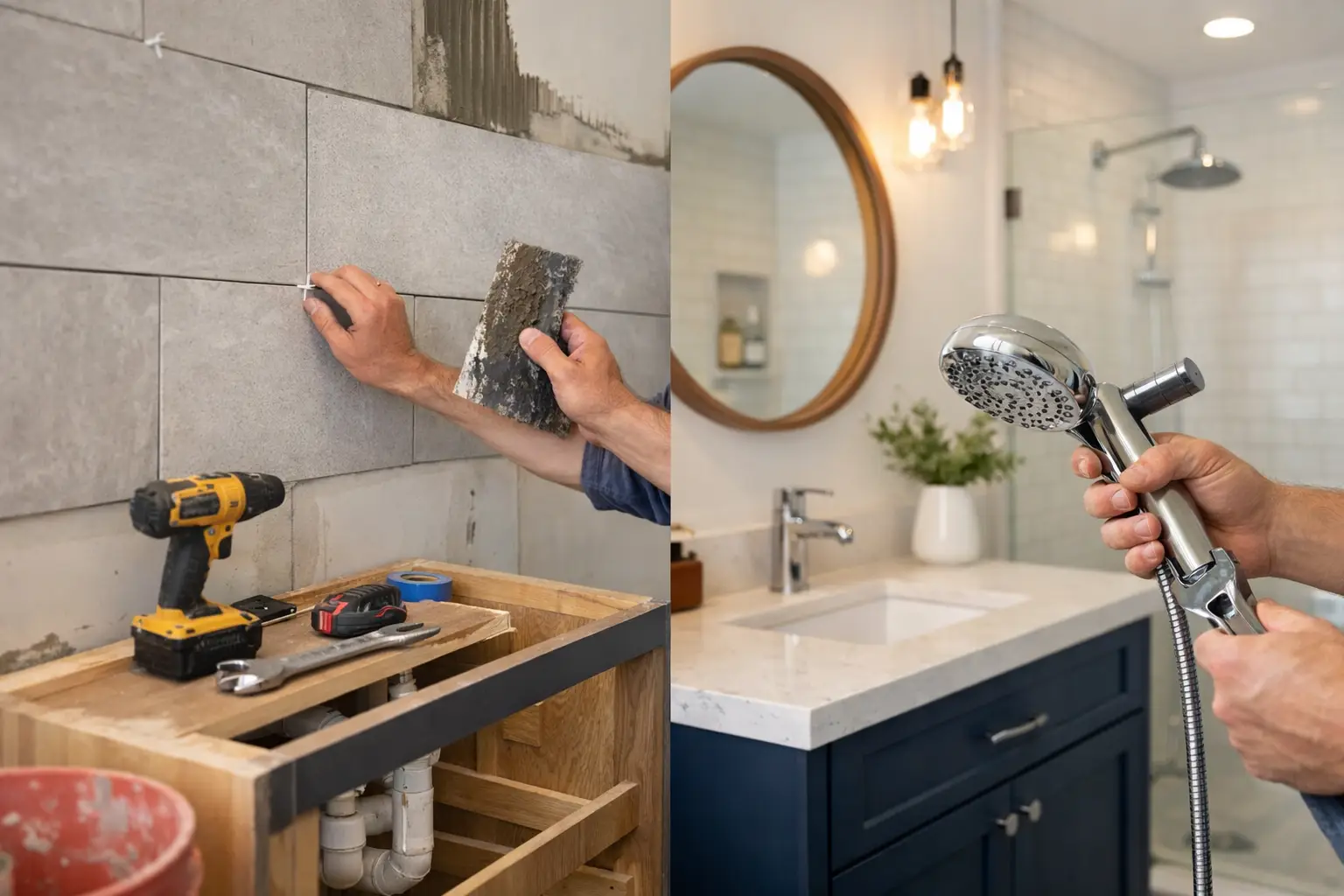
A bathroom can make a buyer picture an easy move-in experience or start mentally adding renovation costs before they leave the room. A well-planned bathroom upgrade for resale is not about building the most expensive space on the block. It is about correcting visible problems, improving daily function, and choosing finishes that feel clean, current, and built to last.
For Dallas-Fort Worth homeowners, the best resale improvements usually balance broad buyer appeal with the condition and price range of the home. A high-end custom shower may be the right move in one neighborhood, while a reliable vanity, fresh tile, and repaired plumbing can deliver a better return in another. The details matter, but so does knowing where to stop.
Start With What Buyers Will See First
Buyers notice condition before they notice style. A dated bathroom can still feel cared for when it is clean, dry, functional, and professionally finished. On the other hand, a modern vanity will not distract from stained grout, loose tile, a leaking fixture, or water damage around the tub.
Before selecting new materials, address the repairs that can undermine the entire room. This includes slow drains, running toilets, dripping faucets, poor water pressure, cracked shower pans, damaged caulk, and signs of moisture behind walls or under flooring. These issues may seem small, but buyers often interpret them as evidence of larger maintenance problems.
A contractor who understands both bathroom remodeling and plumbing repair can help identify whether a cosmetic update is enough or whether the project needs corrective work behind the walls. Solving the source of a problem before installing new finishes prevents expensive rework and gives the completed bathroom a more reliable result.
Choose a Bathroom Upgrade for Resale, Not a Personal Showcase
Your own bathroom preferences are valid, especially if you plan to stay in the home for years. Resale projects require a different filter: Will this choice make the room easier for most buyers to like, maintain, and use?
Neutral does not have to mean plain. White, warm gray, soft beige, natural wood tones, and simple black or brushed nickel accents tend to work well because they create a clean backdrop without locking buyers into a strong design theme. Large-format tile, a quartz or solid-surface counter, and a well-proportioned vanity can make a room feel updated without becoming overly specific.
Avoid building the room around a trend that may date quickly. Highly patterned tile, bold colored fixtures, unusual vessel sinks, and ornate hardware can appeal to a narrow group of buyers. They may be right for a custom home you intend to enjoy, but they are not always the safest choice when the goal is a broad resale audience.
There is also a practical limit to luxury. If nearby homes have standard, well-maintained bathrooms, installing premium specialty materials and high-end fixtures may not return their full cost at sale. The goal is to be competitive with the market, not dramatically over-improve the property.
Focus on the Features That Improve Daily Use
The strongest bathroom renovations make ordinary routines easier. Buyers respond to spaces that feel organized, bright, and easy to clean because those benefits are obvious during a showing.
Update the vanity and storage
A worn vanity is one of the fastest ways to date a bathroom. Replacing it with a properly sized cabinet can improve both appearance and function. Choose durable cabinetry, drawers that operate smoothly, and enough counter space for the room. In a primary bathroom, double sinks can be a meaningful advantage when the layout supports them without crowding the space.
Storage matters more than many homeowners expect. A vanity with usable drawers, a recessed medicine cabinet, linen storage, or thoughtfully placed shelving can make a smaller bathroom feel far more functional. Just avoid filling every available wall with cabinets. A cramped room needs visual openness as much as it needs storage.
Improve the shower or tub area
A clean, updated shower is often the feature that carries a bathroom renovation. Replacing a stained fiberglass surround, cracked tile, or worn tub can change the entire impression of the room. A walk-in shower with quality tile, secure waterproofing, practical niches, and clear glass can be especially attractive in a primary bathroom.
That said, do not remove the only bathtub in a home without considering likely buyers. Families with young children often value at least one tub. If there is another full bathroom with a good tub, converting an outdated primary tub into a walk-in shower may make sense. If not, a tub-shower combination may be the more practical resale decision.
Custom glass can give a shower a polished finish, but it needs the right layout. In a small bathroom, clear glass may make the room feel larger. In a tight or awkward space, a well-installed framed enclosure or shower curtain setup may be more functional and cost-effective.
Use lighting to make the room feel cleaner
Poor lighting can make a renovated bathroom look unfinished. Bright, even lighting at the vanity helps buyers see the room clearly and makes the space more comfortable for daily grooming. Add an overhead fixture or recessed lighting where appropriate, but do not rely on one ceiling light alone.
A well-lit mirror, updated vanity fixtures, and a clean exhaust fan can improve both presentation and function. Proper ventilation also protects paint, grout, cabinets, and drywall from moisture damage over time.
Put Durability Ahead of Cheap Cosmetic Fixes
A quick refresh can be worthwhile before selling, but shortcuts are easy to spot. Peeling paint, thin caulk lines, mismatched hardware, uneven tile, and poorly aligned fixtures can make buyers question the quality of the whole house.
Spend where water and wear are involved. Quality plumbing fixtures, proper shower waterproofing, durable flooring, secure tile installation, and professionally installed vanities protect the investment. These are not the areas to cut corners, because failures can cause leaks, damage, and negative inspection findings.
For finishes, choose materials that are attractive without being difficult to maintain. Porcelain tile is a dependable option for floors and shower walls. Quartz counters resist staining and provide a clean, consistent appearance. Matte or satin finishes on fixtures can be forgiving, while overly polished surfaces may show water spots and fingerprints more easily.
If budget is limited, prioritize a complete and cohesive update over a partial luxury upgrade. A modest bathroom with fresh paint, repaired plumbing, a new vanity top, updated lighting, clean grout, and matching fixtures usually presents better than one expensive feature surrounded by worn materials.
Do Not Ignore Layout Problems
Some bathrooms are dated because of their finishes. Others are frustrating because of how they work. A door that hits the toilet, a vanity with no landing space, a shower that feels cramped, or a toilet placed too close to the tub can affect buyer perception even when everything is new.
Layout changes can add cost because they may require moving plumbing, electrical connections, or walls. They are most worthwhile when they solve a problem buyers will experience immediately. For example, replacing a bulky tub with a properly sized shower may create better circulation in a primary bath. Reconfiguring a vanity may improve access and storage in a hall bathroom.
Not every awkward layout needs a full rebuild. Sometimes a narrower vanity, a different door swing, a recessed cabinet, or a new shower enclosure can improve the room without relocating major plumbing. A site visit and clear plan help separate high-value changes from unnecessary construction.
Prepare the Finished Bathroom for Showings
Once the work is complete, presentation still matters. Keep counters clear, replace worn towels and bath mats, and make sure every fixture works as intended. Caulk should be clean, grout should be free of discoloration, and drains should flow properly.
Before listing, test the toilet, faucets, shower controls, exhaust fan, cabinet doors, and lighting. Buyers often try these items during showings, and a small failure can create doubt at the wrong moment. Keep receipts, warranty information, and any relevant renovation details available for the listing process.
A bathroom upgrade for resale should leave buyers with a simple impression: this home has been maintained, the work was done correctly, and they will not need to start a renovation project on day one. If you are weighing repairs against a larger renovation, a professional assessment can help you invest in the improvements that make the room work harder for your sale.