
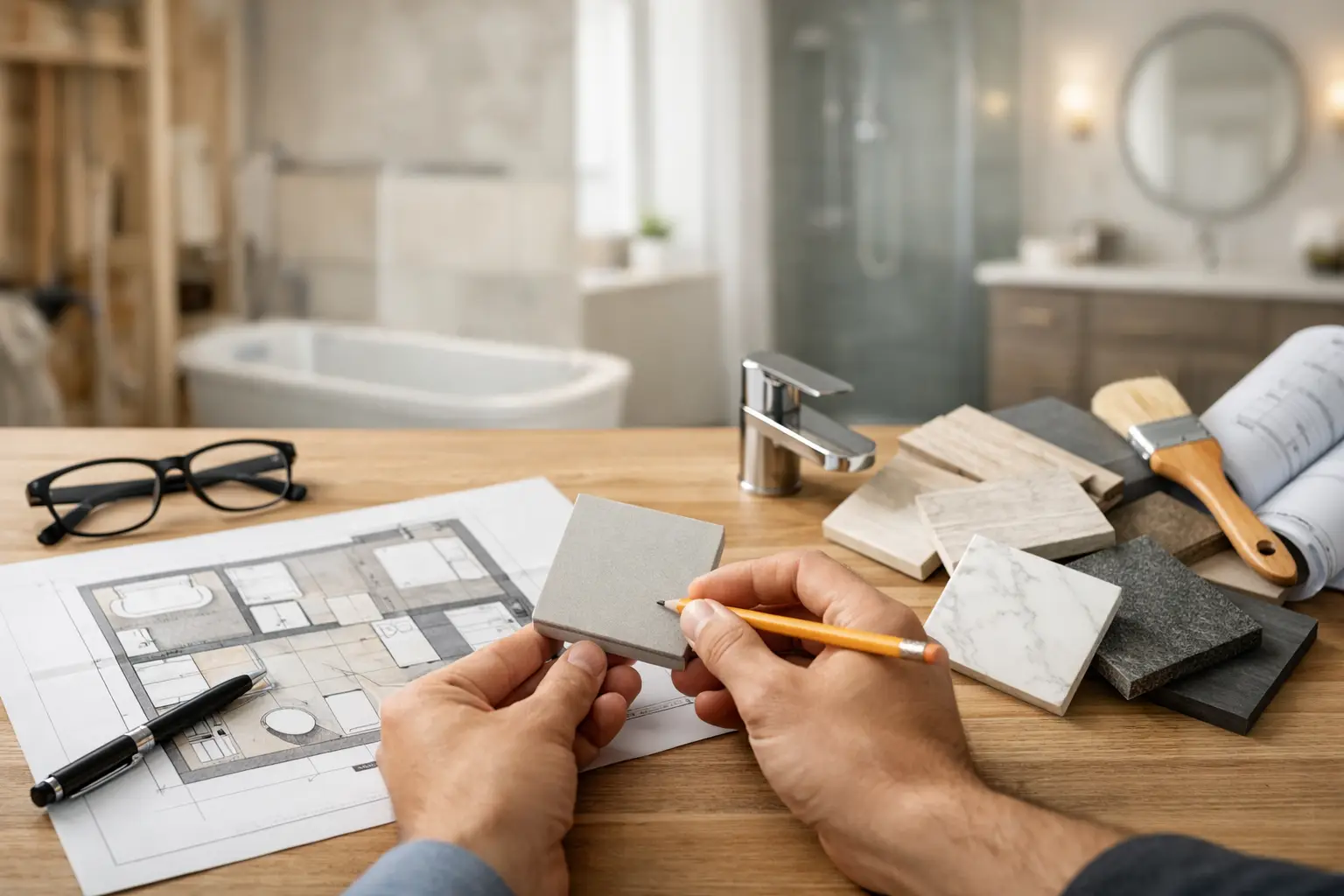
A bathroom remodel usually looks simple at first. Then you start opening walls, measuring around plumbing, and comparing materials that all seem similar until the price doubles. If you are figuring out how to plan bathroom remodel work without wasting time or money, the best place to start is not tile or paint. It is with the way the room needs to function every day.
A good remodel solves problems before it chases finishes. Maybe the shower is too small, the vanity lacks storage, the tub never gets used, or old plumbing has become part of the issue. The strongest plans balance layout, budget, durability, and timeline from the start, so the final result looks better and works better.
How to plan bathroom remodel around real needs
Start by being honest about what is not working. Some homeowners want a full visual update, but the deeper issue is poor storage, bad lighting, recurring leaks, or worn-out plumbing behind the walls. Others need better accessibility, more efficient use of space, or a layout that fits a busy family.
Write down what you want this bathroom to do differently when the job is finished. That sounds basic, but it keeps the project grounded. If your main goal is easier cleaning, low-maintenance materials should matter more than trendy details. If resale is part of the decision, neutral finishes and a practical layout usually carry more value than highly specific design choices.
This is also where priorities need to be separated into must-haves and nice-to-haves. A curbless shower, double vanity, custom glass, niche shelving, or upgraded tile may all be worth considering, but not every feature belongs in every bathroom. Clear priorities help you make better decisions when pricing and space limitations show up.
Set the budget before you choose materials
One of the fastest ways to lose control of a remodel is to shop finishes before you know your spending range. The budget should shape the plan, not the other way around.
A realistic bathroom remodel budget needs to cover more than visible materials. Demolition, plumbing adjustments, electrical work, waterproofing, tile installation, fixture replacement, cabinetry, glass, labor, and cleanup all affect the final number. If the bathroom is older, there is also a fair chance you will run into hidden issues such as water damage, subfloor repair, valve replacement, or outdated plumbing connections.
That is why a contingency matters. Even with careful planning, bathrooms can reveal surprises once work begins. Setting aside part of the budget for corrective work protects the project from stalling halfway through.
If you are deciding where to spend more, put money toward the parts that affect function and longevity first. Waterproofing, plumbing quality, ventilation, and solid installation matter more over time than a small upgrade in decorative finish. Good work behind the walls is what keeps a remodel from becoming a repair job later.
Decide whether the layout should stay or change
Layout changes can improve a bathroom dramatically, but they also increase complexity. Moving a toilet, shifting a shower drain, relocating a vanity, or changing walls can affect plumbing, electrical, and labor costs.
Sometimes keeping the same footprint is the smartest move. If the existing layout works reasonably well, you may get the best return by upgrading the shower, vanity, tile, lighting, and fixtures without relocating core plumbing. That approach often saves time and helps the budget stretch further.
In other cases, the layout is the problem. A bulky tub may waste space in a hall bath. A cramped shower may make the room feel smaller than it is. An awkward vanity placement may block storage or traffic flow. If those issues affect daily use, changing the layout may be worth the extra investment.
The key is to weigh improvement against disruption. A better plan is not always the one with the most changes. It is the one that fixes the room without creating unnecessary cost.
Choose materials for durability, not just appearance
Bathrooms deal with moisture, frequent cleaning, and constant use. Materials need to hold up under those conditions.
Tile is a common choice because it performs well when installed correctly, but not all tile is equally practical. Large-format tile can reduce grout lines and create a cleaner look, while smaller mosaic tile may offer better slip resistance on shower floors. Natural stone can look great, but it often requires more maintenance than porcelain.
Vanity materials matter too. A cabinet that looks good in the showroom may not hold up well in a humid bathroom if the construction is weak. Countertops, hardware finishes, grout color, and glass enclosures all need to be chosen with maintenance in mind.
This is where trend-chasing can cause regret. Bold finishes and statement tile can work, but they need to fit the home and the homeowner. A bathroom should still feel solid and current years from now. Timeless does not mean boring. It usually means balanced.
Plan the plumbing and electrical details early
A bathroom remodel is not just a surface project. Fixtures depend on what is happening behind the walls.
If you are replacing a shower, tub, toilet, or vanity, confirm rough-in locations early. The same goes for shutoff valves, drain lines, water pressure concerns, and fixture compatibility. A new rainfall shower head or body spray setup may need more planning than a standard replacement. A floating vanity may affect drain placement. A tub-to-shower conversion may require more than just removing one fixture and installing another.
Electrical planning matters just as much. Lighting should support grooming, general visibility, and mood without leaving dark corners. Outlets need to be practical and code-compliant. Ventilation should be sized correctly for the room, especially in bathrooms with enclosed showers or limited airflow.
This is one area where an experienced contractor can prevent expensive missteps. Design ideas look clean on paper, but execution depends on existing conditions, code requirements, and what the home can actually support.
Build a realistic timeline
Homeowners often ask how long a bathroom remodel should take, but the better question is what needs to happen for the job to stay on schedule. Material availability, custom orders, permit requirements, plumbing changes, inspections, and hidden repairs all affect timing.
If you want the project to move efficiently, make key decisions before work starts. That includes tile selection, vanity dimensions, plumbing fixtures, glass plans, and finish details. Delays often come from waiting on choices or discovering that selected products are backordered or incompatible.
It also helps to prepare for the disruption. If this is your only full bathroom, the timing matters even more. A clear schedule and good communication can reduce stress, but no remodel should be planned around an unrealistic finish date. Fast is helpful. Done right is better.
Work with a contractor who can handle remodel and repair issues
Bathrooms are where design and problem-solving meet. A contractor may need to install tile one day and address a hidden plumbing issue the next. That is why experience matters beyond appearance.
When evaluating who will do the work, look for clear communication, detailed scope, realistic pricing, and a track record of finishing cleanly. You want a team that can explain what is included, flag potential issues early, and adapt when an older bathroom reveals damage or outdated components.
This is especially important in Dallas-Fort Worth homes, where bathroom conditions vary widely by age, past renovations, and original construction quality. A polished design means less if the work behind it is rushed or incomplete. Companies like Wisez Improvement are often chosen for this exact reason – the ability to manage both renovation work and the repair-driven issues that come with it.
How to plan bathroom remodel decisions without second-guessing
The easiest way to avoid regret is to make decisions in the right order. Start with function, then budget, then layout, then materials, then finish details. Reversing that order usually leads to compromises you did not intend.
It also helps to think through everyday use. Who uses the bathroom most often? How much storage is really needed? Will the shower be easier to clean? Is there enough light at the mirror? Will the new layout still feel comfortable six months from now, not just the day installation is finished?
A bathroom remodel does not need to be oversized to be successful. It needs to be well planned, properly built, and suited to the home. That is what gives you better value and fewer headaches after the work is done.
If you are planning a remodel, aim for decisions that make the room easier to live with, not just easier to photograph. That is usually where the best results come from.