
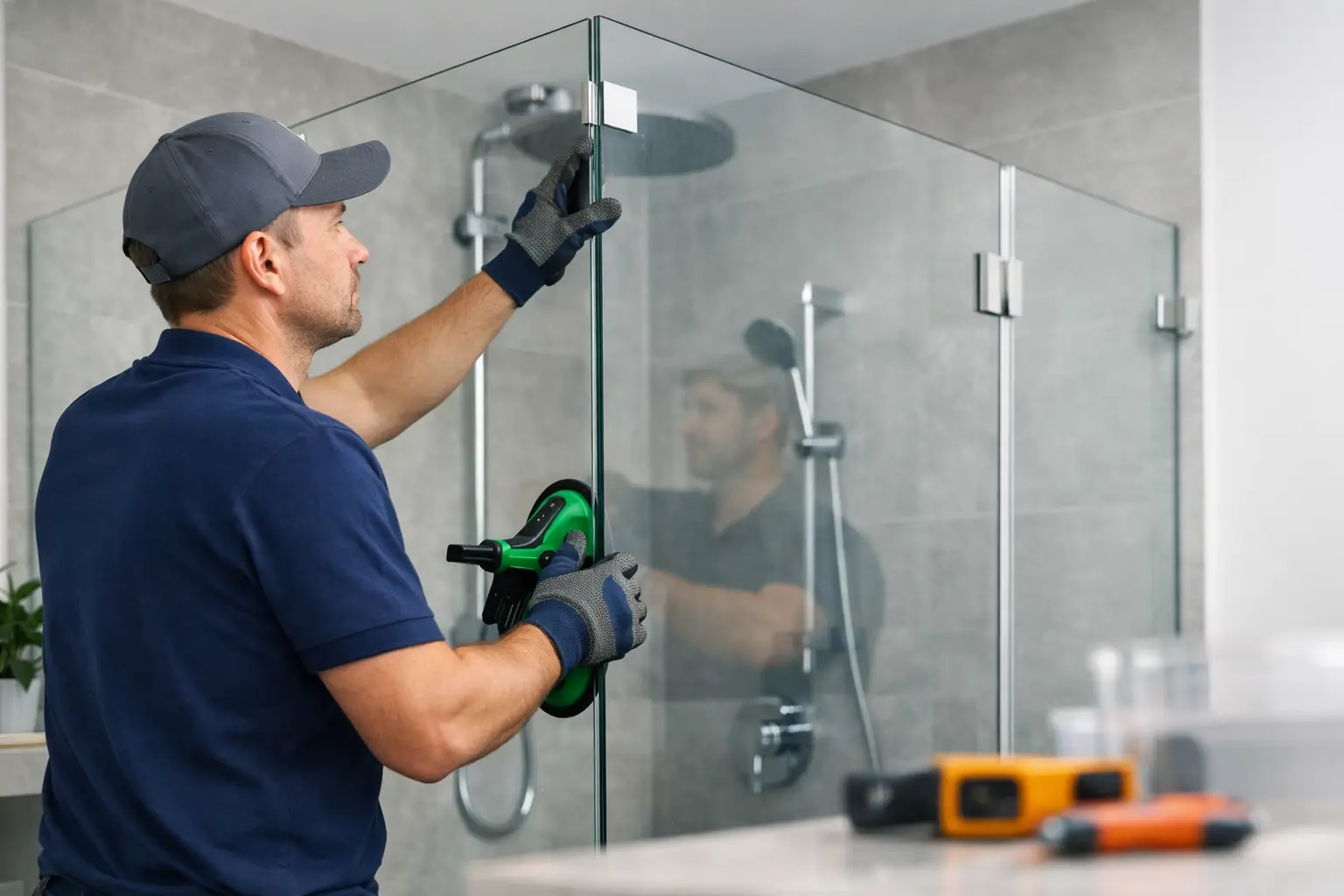
A frameless shower can make a bathroom feel larger, brighter, and more finished – but only when the glass is measured, supported, and installed correctly. Frameless shower glass installation looks clean because there is very little hardware to hide mistakes. If the walls are out of plumb, the curb is not pitched right, or the tile work is uneven, the final result will show it.
That is why this is one of those upgrades where details matter more than most homeowners expect. The glass itself is only part of the job. The layout, backing, hinges, anchoring points, waterproofing, and door swing all need to work together if you want a shower that looks sharp and performs well for years.
What frameless shower glass installation really involves
A lot of people assume the process starts with picking glass and hardware finishes. In reality, it starts much earlier. Before any panel is ordered, the shower opening has to be evaluated as a finished system. That means checking tile lines, wall straightness, curb level, drain slope, and whether the surrounding structure can support the hardware.
Frameless glass is heavier than many homeowners realize. Because it does not rely on a metal frame around the edges, the strength comes from tempered glass thickness and properly placed hardware. A clean, minimal look still depends on solid attachment points. If blocking was not installed behind tile where hinges or clips need to go, the installer may need to adjust the layout or recommend another approach.
This is also why custom measurement is standard. Even in a newly remodeled bathroom, walls and openings are rarely perfectly square. A good installer measures the finished opening after tile, stone, and curb work are complete – not before.
Why precision matters more with frameless glass
With framed shower doors, the frame can hide slight variations and help compensate for minor irregularities. Frameless systems do not offer much forgiveness. If one wall leans out, if a curb dips, or if the panel is cut off by even a small amount, you can end up with visible gaps, poor door alignment, or water escaping where it should not.
That does not mean every bathroom is a bad candidate. It means the installation plan has to match the conditions on site. In some showers, a fixed panel and door work well. In others, adding a return panel or choosing a different hinge position creates a better seal and smoother operation. The best result usually comes from fitting the design to the room instead of forcing a standard setup into a custom space.
Water control is another part of the precision. Frameless does not mean watertight in the same way a fully framed enclosure might be. The goal is smart water management through proper panel placement, sweep seals, minimal but effective gaps, and correct curb pitch. If the shower floor and curb were built well, the glass can do its job. If the base was built poorly, even expensive glass may not solve the problem.
Planning frameless shower glass installation during a remodel
The right time to think about glass is during the bathroom remodel, not at the very end when every other decision has already been made. Tile thickness, knee walls, niche placement, curb width, and shower head direction can all affect the final glass layout.
For example, a rainfall head pointed toward the door opening may create more splash than expected. A narrow curb might limit hardware options. A wall-mounted vanity or a nearby toilet may affect how far the shower door can swing. These are small decisions on paper, but they have a direct impact once the glass goes in.
At Wisez Improvement, this kind of planning is part of getting the bathroom to function as well as it looks. When the remodel team understands both the finish work and the practical demands of the enclosure, the final installation tends to go much smoother.
Common frameless shower glass configurations
There is no single best setup for every bathroom. The most common options include a single door with one fixed panel, a door hinged from the wall, a corner enclosure with multiple panels, or a stationary panel for a walk-in shower. Each has pros and trade-offs.
A simple inline door and panel design often works well in standard alcove showers. It gives you a clean look without adding more hardware than necessary. Corner units can open up a tighter layout, but they require careful measuring and usually involve more joints and hardware. Walk-in styles look modern and can feel open, but they need enough depth to control overspray.
The best choice depends on your bathroom size, how the shower is used, and how much water containment you need. A household with kids may prioritize splash control more than a guest bath. A primary bath renovation may lean more heavily on visual impact and access.
What can go wrong when installation is rushed
The most common issues are not dramatic on day one. They usually show up as aggravations over time. The door may drift slightly out of alignment. A hinge may loosen because the anchoring point was weak. Water may collect along the curb or leak onto the floor because the gap at the bottom was not handled correctly.
Sometimes the problem starts before the glass installer even arrives. If tile edges are uneven, if the curb is flat instead of slightly pitched inward, or if the wall backing is missing, the finished enclosure may be compromised from the start. In that case, the glass is not the real problem. The supporting work is.
This is one reason homeowners often benefit from working with a contractor who understands both bathroom remodeling and repair. If something behind the finish surfaces needs to be corrected, it helps to have one team that can address the issue instead of passing responsibility around.
Material and hardware choices that affect performance
Most frameless enclosures use tempered glass, commonly in 3/8-inch or 1/2-inch thickness depending on the design. Thicker glass feels more substantial and may be preferred for larger panels, but it also adds weight and may require stronger hardware support. The right thickness is not just a style choice. It is part of the engineering.
Hardware finish matters too, but durability and compatibility should come first. Hinges, clamps, handles, and support bars all need to be chosen based on the enclosure layout and wall conditions. A polished finish may look great, but it still has to perform in a humid environment with daily use.
Some homeowners also ask about protective coatings for easier cleaning. These can help reduce spotting and buildup, especially in areas with hard water, but they do not eliminate maintenance. Frameless glass still needs regular cleaning if you want it to keep that clear, open look.
Is frameless shower glass installation worth it?
For many homeowners, yes – especially in a bathroom where you want a more custom, updated appearance. Frameless glass can make tile work stand out, improve sightlines, and give the room a more open feel. In a smaller bathroom, that visual difference can be significant.
That said, it is not the cheapest option, and it is not always the right one for every space. If the bathroom has layout limitations, significant wall irregularities, or a tight budget, a semi-frameless or framed option may make more practical sense. The right answer depends on your priorities. If clean design, easier visual flow, and a more upscale finish matter most, frameless is often a strong investment.
What homeowners should ask before moving forward
Before ordering glass, ask how the opening will be measured, where the hardware will anchor, how water will be managed, and whether the existing tile and curb are truly ready. Ask who is responsible if the installer finds a problem with slope, backing, or wall condition. Those questions can save time, cost, and frustration later.
It also helps to ask about door swing, cleaning access, and how the enclosure will function in everyday use. A shower can look great in a photo and still be inconvenient if the door opens into the wrong space or the fixed panel makes cleaning difficult.
A good installation balances appearance with daily use. That is the standard worth aiming for.
If you are considering frameless shower glass installation, the smartest move is to treat it as part of the whole bathroom system, not as a final add-on. When the planning, prep work, and installation are handled with care, the result is simple in the best way – clean lines, reliable performance, and a shower that feels right every time you use it.