
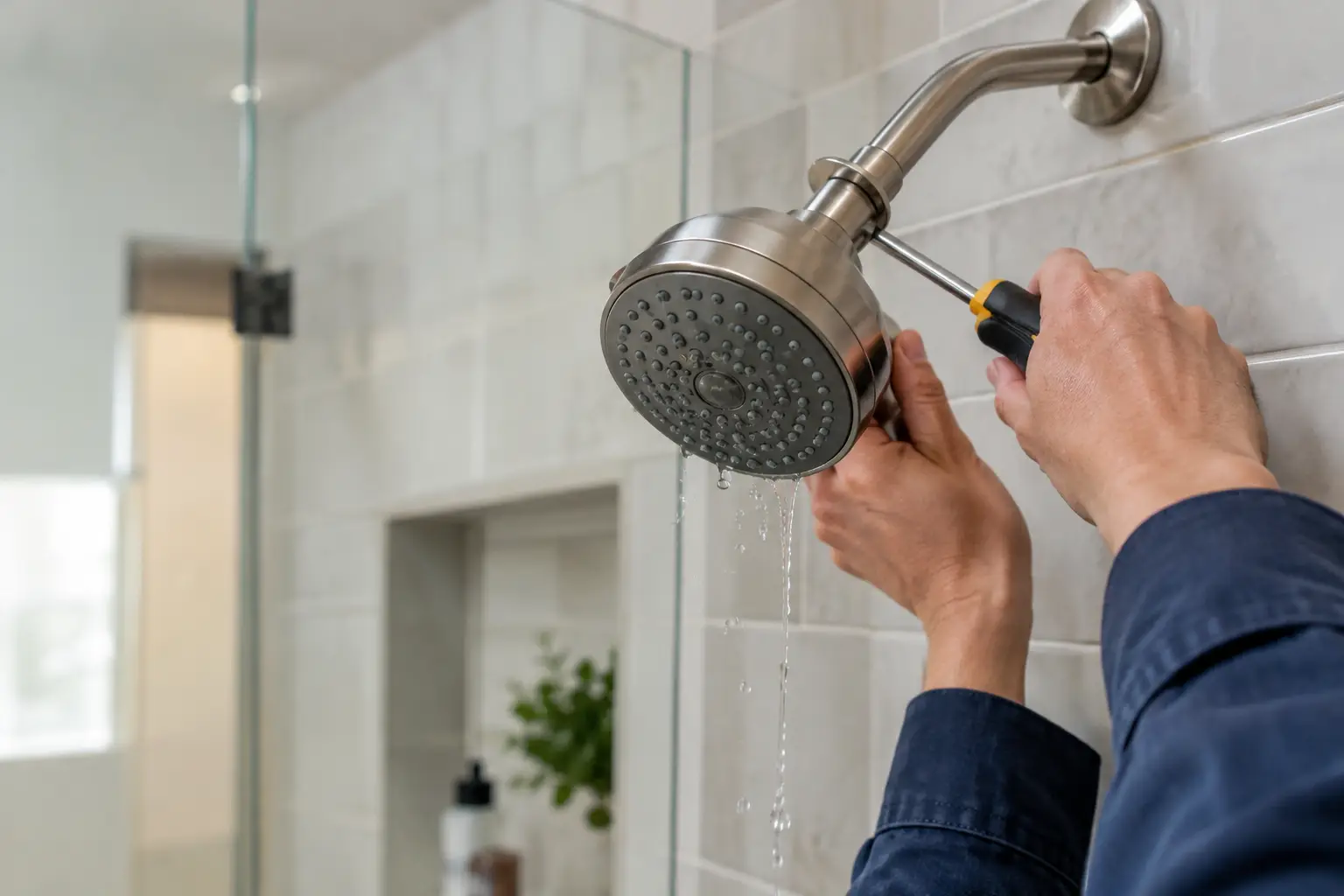
A shower problem rarely starts with a dramatic flood. More often, the early signs shower needs repair show up in small, frustrating ways: a damp spot outside the enclosure, grout that will not stay clean, water pressure that has changed, or a door that no longer closes correctly. Addressing those details early can protect the framing, subfloor, and finishes behind your bathroom walls.
For Dallas-Fort Worth homeowners, heat, hard water, daily use, and aging materials can all take a toll on shower plumbing and surfaces. The right repair depends on the cause. A loose shower handle may be a simple valve issue, while recurring cracked tile can point to movement or moisture behind the wall. Here are the signs worth taking seriously.
10 Signs a Shower Needs Repair
1. Water appears outside the shower
Puddles on the bathroom floor after every shower are not something to solve with an extra bath mat. Water may be escaping through a worn door sweep, failed caulk, damaged threshold, cracked shower pan, or a glass enclosure that is out of alignment.
Dry the area completely, then note where water returns after the next use. Water near a glass door may call for an enclosure adjustment or seal replacement. Water coming from the wall, curb, or base of a tiled shower requires closer inspection because it may be getting behind finished surfaces.
2. Caulk keeps cracking, peeling, or turning dark
Caulk seals the transition between different materials, such as tile and a tub, shower pan, glass frame, or wall. When it separates, moisture has a direct path into gaps that were meant to stay dry. Dark staining can be surface mildew, but it can also mean water is sitting where it should not.
Removing and replacing failed caulk is often a reasonable repair when the surrounding materials are sound. If fresh caulk repeatedly pulls apart, however, there may be movement in the shower base, wall, or enclosure. Covering that pattern without finding the reason usually leads to another failure.
3. Tile feels loose or grout is falling out
A single chipped grout line does not always signal a major problem. But tiles that rock when pressed, grout that keeps breaking away, or several hollow-sounding tiles deserve attention. These issues can develop when the tile bond fails, water reaches the backer board, or the shower structure shifts.
Avoid aggressively scrubbing or prying at loose tile. That can widen the damaged area and expose more of the wall to moisture. A professional can determine whether a localized tile repair is practical or whether the shower needs waterproofing and substrate work behind the finish.
4. You see stains on a nearby wall or ceiling
A yellow or brown ceiling spot below an upstairs shower is one of the clearest warnings of a plumbing or waterproofing leak. On the same floor, bubbling paint, swollen baseboards, soft drywall, and discoloration on the wall beside the shower can point to escaping moisture.
Do not assume the leak is exactly above the stain. Water travels along framing, pipes, and drywall before it becomes visible. If a stain grows, feels soft, or returns after painting, stop using the shower when possible and arrange an inspection promptly.
5. The shower drain is slow or backs up
Slow drainage is commonly caused by hair, soap residue, or mineral buildup. A basic cleaning may solve an occasional slowdown. Persistent standing water, gurgling sounds, unpleasant drain odors, or water backing up into the tub or another fixture can indicate a deeper drain-line problem.
Chemical drain cleaners are not always the best answer. They can damage some plumbing components, create hazards for anyone working on the drain later, and do little for a physical blockage farther down the line. A proper diagnosis helps distinguish a simple clog from a venting or drain issue.
6. Water pressure suddenly drops or sprays unevenly
Hard water is common in many North Texas homes, and mineral deposits can clog a showerhead over time. If only the showerhead is affected, cleaning or replacing it may restore normal flow. If pressure is low at several fixtures, or the temperature and flow change without warning, the source may be in the plumbing system.
Uneven spray can also make a shower less comfortable while wasting water. A repair professional can check the fixture, supply lines, shutoff valves, and mixing valve rather than replacing parts based on guesswork.
7. The water temperature swings from hot to cold
A shower that turns suddenly cold or dangerously hot is more than an inconvenience. It may indicate a worn pressure-balancing valve, a failing cartridge, incorrect fixture setup, or a hot-water system issue. Older fixtures are especially prone to cartridge wear and internal mineral buildup.
If temperature changes happen when someone flushes a toilet or starts the washing machine, your shower valve may no longer be controlling pressure properly. This repair can often improve safety and comfort without requiring a full bathroom renovation.
8. The shower floor feels soft, flexes, or has cracks
A shower floor should feel solid underfoot. Flexing acrylic or fiberglass bases, cracks around a drain, spongy areas, and movement at the curb can allow water to reach the space below. In a tiled shower, cracked floor tile or grout near the drain can be an early signal that the base or waterproofing system has failed.
This is not a repair to postpone. Continued use can turn a contained shower issue into damaged subflooring, mold conditions, or repairs in the room below. The solution may range from correcting support beneath the base to rebuilding part or all of the shower, depending on what inspection reveals.
9. There is a musty smell that cleaning does not remove
Bathrooms hold humidity, so minor odors after a busy morning are normal. A persistent musty odor after cleaning and ventilation are not. It can come from moisture behind tile, wet drywall, an improperly sealed shower enclosure, or a drain issue.
Run the exhaust fan during showers and for at least 20 minutes afterward. If the odor remains, especially alongside stains, loose tile, or recurring mildew, it is time to investigate the source instead of masking it with air fresheners.
10. Your glass door, handle, or fixture is loose
A wobbling shower door, loose grab bar, dripping handle, or fixture that moves when used can quickly become a safety concern. Glass enclosure hardware needs proper alignment and secure attachment. Plumbing fixtures need tight, correctly sealed connections to prevent leaks inside the wall.
A dripping showerhead may be caused by a worn cartridge or valve seat, not the showerhead itself. Replacing the visible fixture alone can leave the actual source untouched. Careful repair protects both the finish and the plumbing behind it.
When a Repair Is Enough and When Remodeling Makes Sense
Not every shower issue calls for demolition. Recaulking, replacing a cartridge, clearing a drain, resetting a loose fixture, repairing a small section of tile, or adjusting shower glass can be efficient, targeted repairs. These make sense when the surrounding waterproofing, plumbing, and structure are in good condition.
A more extensive shower renovation becomes the better value when problems are repeated, multiple surfaces are failing, or water damage is suspected behind the walls. It may also be the right time to replace an outdated tub with a walk-in shower, improve storage, update fixtures, or install custom glass. Combining necessary corrective work with a planned upgrade can prevent paying twice for labor and disruption.
The key is an honest assessment. A repair should solve the cause, not only make the symptom less visible for a few months.
What to Do Before Scheduling a Shower Repair
If you notice active leaking, limit shower use until the source is checked. Take a few photos of stains, cracked areas, or standing water, and make note of when the problem occurs. Does the leak happen only during a shower, only when the drain is running, or even when the fixture is off? Those details help narrow the diagnosis.
Avoid sealing over wet materials, drilling into tile to test an area, or applying repeated layers of caulk over failed caulk. These temporary fixes can trap moisture and make later repairs harder to assess. A clear evaluation of the plumbing, enclosure, tile, and waterproofing gives you a better path forward.
A well-functioning shower should feel solid, drain reliably, hold a steady temperature, and keep water where it belongs. If yours does not, a timely repair can protect your home and make the bathroom easier to use every day.