
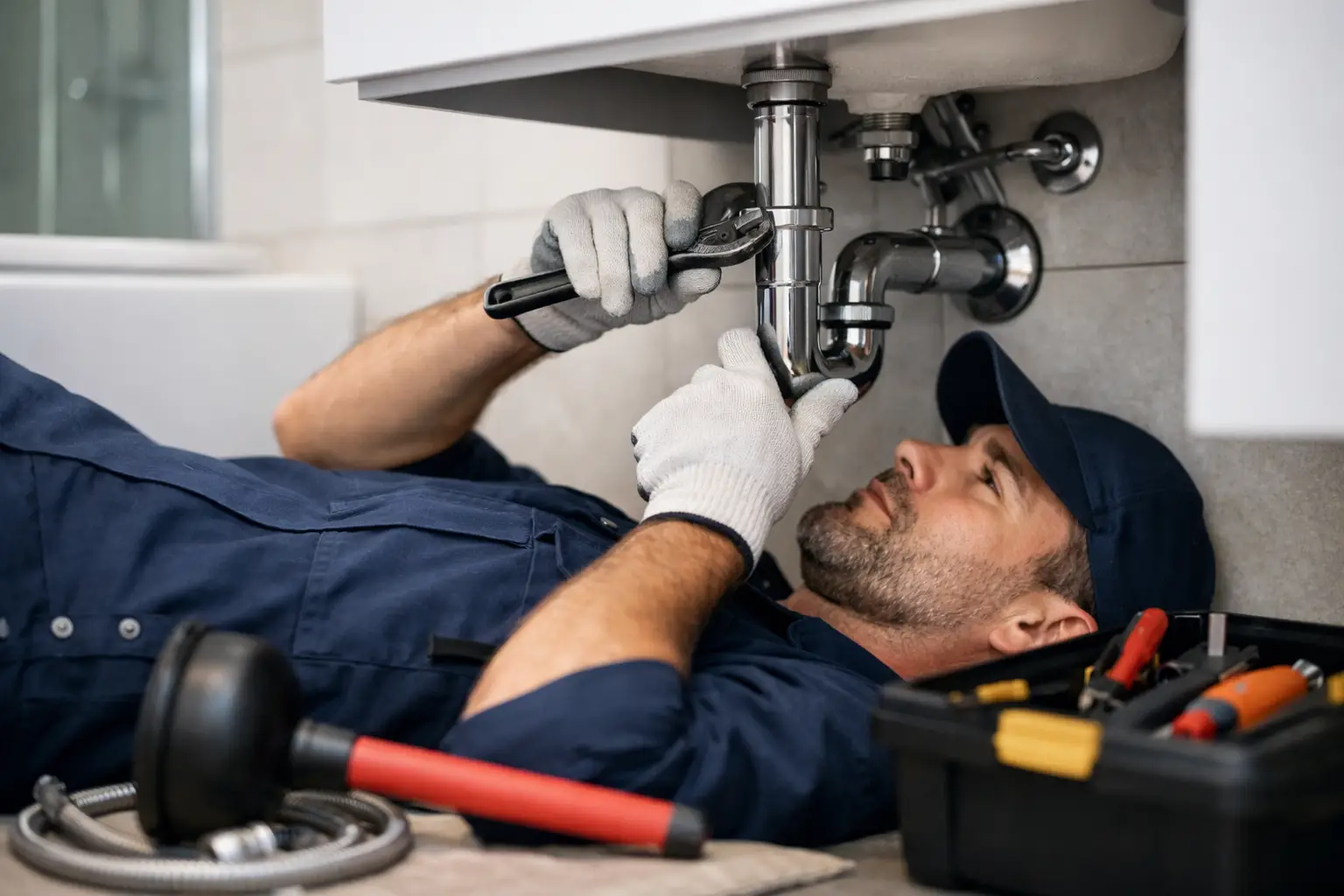
A slow leak under the vanity rarely stays a small problem for long. What starts as a drip can turn into cabinet damage, soft drywall, stained baseboards, mold, and a much bigger bill later. That is why bathroom plumbing repair is not just about stopping water – it is about protecting the room, the finishes, and the value of your home.
For homeowners in Dallas-Fort Worth, bathroom issues often show up in ways that seem minor at first. A toilet rocks a little. A shower valve gets harder to turn. The tub drains slower each month. These are repair signals, not inconveniences to work around. The longer they sit, the more likely they are to affect surrounding tile, flooring, cabinetry, or the plumbing behind the wall.
What bathroom plumbing repair usually involves
Most bathroom plumbing problems fall into one of two categories. The first is visible trouble, like leaks at a faucet, toilet, sink drain, showerhead, or supply line. The second is hidden trouble, where the symptom is indirect – damp drywall, loose tile, musty smells, low water pressure, or water stains on the ceiling below.
Good bathroom plumbing repair starts with identifying the actual source. That matters because the visible symptom is not always where the problem begins. A puddle near the toilet may come from a failed wax ring, a cracked supply line, tank bolts, or condensation. A dripping shower can be caused by a worn cartridge, aging valve parts, or water pressure issues. Treating the wrong cause only delays the real fix.
In bathrooms, repair decisions also need to account for finished surfaces. Plumbing is tied closely to tile, cabinets, vanities, glass, tubs, and shower surrounds. A contractor with repair and remodeling experience can usually approach the problem more efficiently because they understand both the pipework and the finished bathroom around it.
Signs you need bathroom plumbing repair now
Some problems can wait a few days for scheduling. Others should be addressed quickly. If you notice water where it should not be, ongoing dripping, sewage odors, standing water in a tub or shower, or soft flooring near fixtures, it is time to act.
A few warning signs deserve extra attention. Repeated clogs often point to a larger drain issue rather than normal buildup. Loose toilets can damage the subfloor beneath them. Water stains near a shower wall may mean moisture is getting behind the surface, which can lead to structural repairs instead of a straightforward plumbing fix. Low water pressure at one fixture might be a simple component issue, but if it affects multiple fixtures, the diagnosis changes.
Homeowners sometimes put off repairs because the bathroom still seems usable. That is where costs rise. Continued use can turn a simple parts replacement into cabinet repair, tile replacement, drywall work, or floor reconstruction.
Common repairs in sinks, toilets, tubs, and showers
Sink repairs often involve leaking P-traps, worn shutoff valves, dripping faucets, corroded supply lines, or loose drain assemblies. These jobs can look simple, but poor alignment or overtightening can create fresh leaks. If the vanity interior is already swollen or stained, the plumbing issue may have been active longer than expected.
Toilet repairs range from internal tank components to flange and seal problems at the base. Running toilets waste water, but rocking toilets are usually more serious because movement can break the seal and allow water to reach the flooring below.
Tub and shower repairs are where hidden issues show up most often. A dripping showerhead may be the least of it if the valve body is aging inside the wall. Slow drains can come from hair and soap buildup, but recurring backups may indicate deeper drain line trouble. Leaks around the tub or shower can also be a mix of plumbing and enclosure failure, which is why clear diagnosis matters.
Repair or replace? It depends on the fixture and the room
Not every plumbing issue should be solved with a quick repair. Sometimes replacement is the more cost-effective route, especially in older bathrooms where fixtures are worn, outdated, or no longer efficient.
If a faucet has failed once and the finish is deteriorating, replacing it may make more sense than installing another round of parts. If a toilet has chronic flushing problems, visible cracks, or an unstable base due to age and wear, replacement can be the better investment. The same logic applies to shower valves and tub hardware when parts are discontinued or repeated repairs are adding up.
This is especially true during a bathroom update. If walls, tile, or vanities are already being opened or replaced, it is often smart to correct aging plumbing at the same time. That avoids finishing a beautiful remodel over components that are near the end of their service life.
When a plumbing repair turns into a remodeling opportunity
Not every repair should become a renovation, but sometimes the room tells you what makes sense. If a leak has already damaged cabinetry, flooring, or tile, it may be more practical to upgrade those elements instead of patching around them.
This is where working with one company that handles both repair and renovation can save time and frustration. Instead of separating the plumbing fix from the wall, tile, vanity, or fixture work, the project can be approached as one coordinated solution. Wisez Improvement often works in that overlap, where a homeowner needs a repair now but also wants the finished bathroom to look right when the work is done.
Why DIY bathroom plumbing repair often goes sideways
There are basic maintenance tasks homeowners can handle, like clearing simple hair buildup from a drain stopper or replacing an easy-access showerhead. But once the repair involves shutoff valves, drain connections, toilets, in-wall components, or leak tracking, the margin for error gets smaller.
The main issue is not effort. It is misdiagnosis. A homeowner may replace a faucet when the leak is actually coming from a supply connection. They may recaulk a shower repeatedly when water is entering from plumbing or failed waterproofing behind the wall. They may tighten a fitting enough to stop a drip for the moment, only to crack a connection and create a larger leak later.
Bathrooms are compact spaces with expensive finishes. A repair that is done halfway can affect more than plumbing. It can damage trim, sheetrock, tile, cabinets, paint, and flooring before the problem becomes obvious.
What to expect from a professional repair visit
A professional bathroom plumbing repair visit should be straightforward. First comes evaluation – where the leak, clog, pressure issue, or fixture failure is traced to its source. Then comes a clear explanation of what is wrong, what needs repair, and whether there are signs of related damage around the area.
From there, the right approach depends on access, fixture condition, and surrounding materials. Some repairs are isolated and fast. Others require opening a wall, removing a toilet, resetting a fixture, or coordinating with finish work. The important part is getting a solution that is built to last, not one that simply gets the bathroom through the week.
Homeowners should also expect clean work habits, respect for the home, and honest communication about what can and cannot be seen until the area is opened. In bathroom repair, surprises are sometimes part of the job. The difference is how clearly they are handled.
How to reduce future bathroom plumbing repair costs
The best way to lower repair costs over time is to act early. Small leaks, slow drains, minor toilet movement, and inconsistent faucet performance are easier to fix before damage spreads.
It also helps to pay attention to how the bathroom is aging as a whole. If the plumbing is original, the vanity is deteriorating, the fixtures are dated, and the shower has recurring issues, piecemeal repairs may stop making financial sense. In that case, combining corrective plumbing work with selected bathroom upgrades can deliver better long-term value.
Regular observation goes a long way. Look under sinks occasionally. Notice whether flooring feels soft near the toilet or tub. Watch for changes in water pressure, drainage speed, and fixture stability. Most expensive bathroom damage starts with clues that were visible early.
Bathroom plumbing problems rarely fix themselves, and they rarely stay contained. The right repair protects more than a pipe or fixture – it protects the room you use every day. When something feels off, getting it checked sooner usually gives you more options, lower costs, and a better result.