
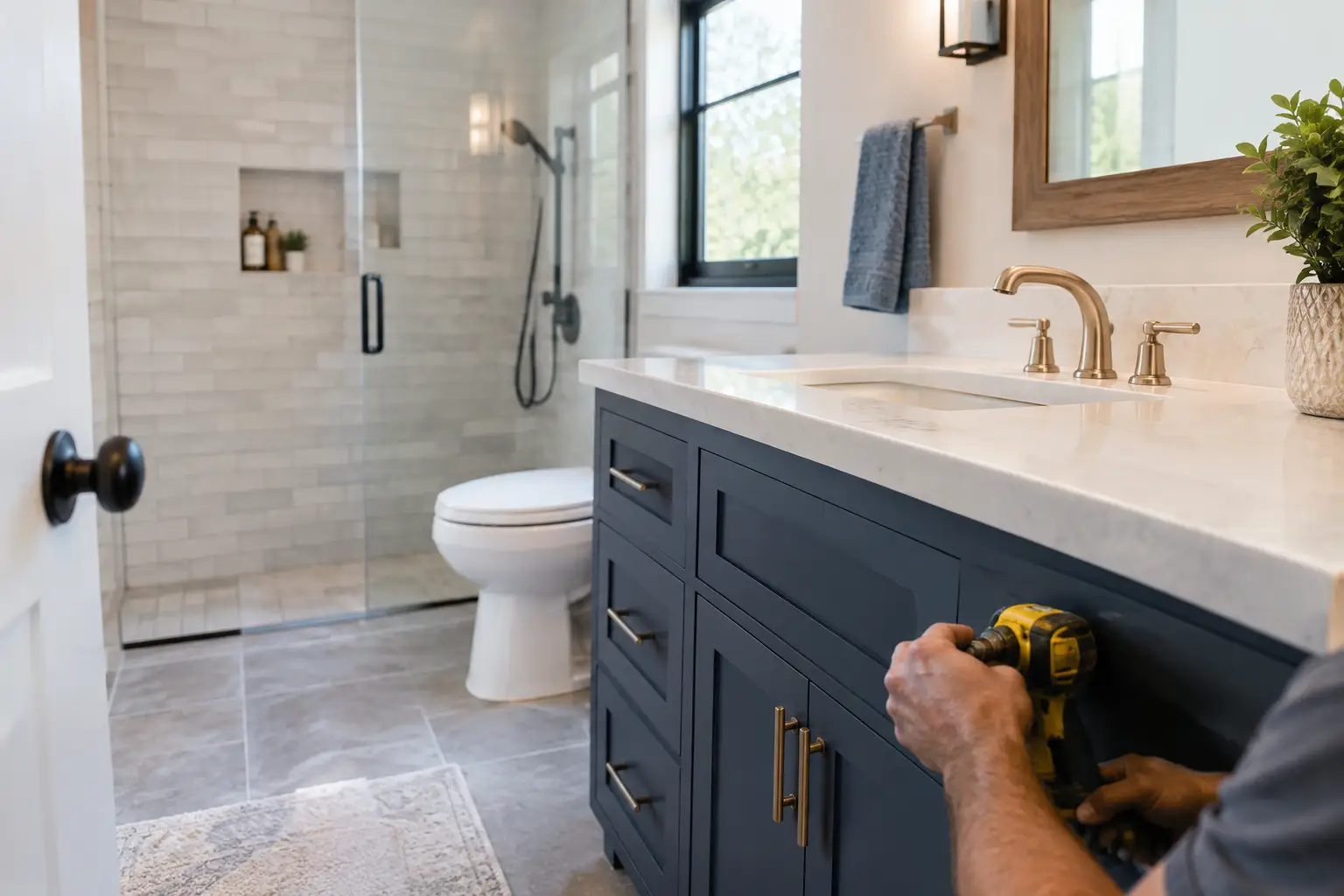
A guest bathroom has a short window to make an impression. The room needs to feel clean, comfortable, and easy to use, whether it serves overnight family, visiting friends, or a busy household on weekday mornings. The best guest bathroom remodel ideas improve that experience without turning a practical room into a high-maintenance showpiece.
For Dallas-Fort Worth homeowners, the right plan usually starts with the room’s existing condition. A dated vanity may be the obvious problem, but leaking supply lines, poor ventilation, weak lighting, and worn caulk can affect the final result just as much. A successful remodel handles the visible updates and the work behind the walls.
Start With the Way the Bathroom Is Used
Before choosing tile or fixtures, decide what the bathroom needs to do. A powder room used mainly by visitors calls for different choices than a full guest bath shared with children, aging parents, or weekend guests. A small half bath may benefit most from a statement vanity and better lighting. A full bath may need safer flooring, more storage, and a shower that is easy for different guests to operate.
Layout changes can be worthwhile, but they are not always necessary. Moving a toilet, tub, or shower often means rerouting plumbing, which adds cost and construction time. If the current layout works, putting the budget into quality finishes, lighting, storage, and plumbing updates may deliver a better return.
Keep clear space where it matters
Guests should be able to open the door, reach the sink, hang a towel, and use the shower without bumping into cabinets or struggling with tight clearances. In smaller bathrooms, a floating vanity or a narrower-depth cabinet can free up valuable floor space. A glass shower enclosure can also make the room feel more open than an opaque shower curtain, though it requires regular cleaning to keep water spots under control.
Guest Bathroom Remodel Ideas for a Better Shower
The shower is often the most used feature in a full guest bathroom, and it is where thoughtful details matter most. A tub-to-shower conversion can make sense when the tub is rarely used and the household would benefit from a more accessible, modern bathing area. It is less ideal in homes where the guest bath is the only tub available for young children.
A low-threshold shower improves access while maintaining a clean look. Large-format wall tile can reduce grout lines, while a smaller mosaic tile on the shower floor provides better traction. For many homeowners, porcelain is a practical choice because it is durable, water-resistant, and available in styles that resemble stone, wood, or concrete.
Choose a shower valve that is dependable and easy to understand. Thermostatic or pressure-balancing valves help prevent uncomfortable temperature changes when someone runs water elsewhere in the home. A handheld showerhead is useful for guests, easier shower cleaning, and future accessibility needs. If the budget allows, add a recessed niche for shampoo and soap rather than relying on a hanging caddy.
Consider custom glass carefully
Custom glass gives a shower a finished, open appearance and is especially effective in compact rooms. Clear glass shows off tilework and helps light move through the space. The trade-off is privacy and maintenance. Frosted or textured glass can be a better fit for a bathroom used by several family members, while a protective glass coating can reduce cleaning effort over time.
Choose a Vanity That Adds Storage, Not Bulk
An attractive vanity should also solve a storage problem. Open shelving may look light and modern, but it leaves toiletries, extra toilet paper, and cleaning supplies visible. For a guest bathroom, drawers and closed cabinets usually keep the room looking neater with less effort.
A 30- to 36-inch vanity works well in many guest baths, but the right size depends on the available wall space and door swing. Deep drawers are especially useful for hair tools and taller personal-care items. If the room is narrow, a vanity with a modest projection may preserve a more comfortable walkway.
Countertop selection should reflect how much maintenance the homeowner wants. Quartz is a common choice because it is durable and easy to clean. Natural stone brings character but may need more ongoing care. For a powder room with limited water exposure, a furniture-style vanity can add warmth and personality without the same practical demands as a full bath.
Improve Lighting at the Mirror and Throughout the Room
One overhead light rarely does enough. It can create shadows at the mirror and make a newly renovated bathroom feel flat. A better plan combines overhead ambient lighting with dedicated vanity lighting placed on both sides of the mirror or directly above it.
Warm-to-neutral white lighting generally creates a comfortable, accurate look for grooming. A dimmer switch adds flexibility for nighttime use and makes the room feel more welcoming for guests. In a windowless bathroom, good lighting has an even larger effect on how clean and spacious the room feels.
If electrical work is part of the remodel, consider adding a GFCI-protected outlet in a convenient location. Guests appreciate a place to plug in a razor, electric toothbrush, or hair dryer without stretching a cord across the room. Small decisions like this often separate a bathroom that looks updated from one that functions well every day.
Use Tile Strategically
Tile does not need to cover every wall to make an impact. In many guest bathroom remodel ideas, tile works best where it protects surfaces and creates a clear focal point: the shower surround, bathroom floor, or a vanity backsplash. This approach can control costs while still giving the room a polished appearance.
For flooring, prioritize slip resistance and durability over a trend that may feel dated in a few years. Matte porcelain tile is often easier to live with than highly polished surfaces, particularly when water is likely to reach the floor. Larger tiles can make a small room look less busy, while patterned tile can add character in a simple powder room.
Grout color deserves attention. Bright white grout looks crisp at installation but can show discoloration in high-use areas. A soft gray or tone-on-tone grout is often more forgiving while keeping the tile design clean. Quality waterproofing behind shower tile is just as important as the tile itself. A beautiful shower will not hold up if the underlying preparation is incomplete.
Do Not Treat Ventilation as an Afterthought
Humidity is hard on paint, cabinetry, grout, and drywall. If the existing exhaust fan is loud, weak, or missing, replacing it should be part of the remodeling conversation. A properly sized fan helps control moisture and odors, especially in an interior bathroom with no window.
Timers and humidity-sensing switches make ventilation easier to use consistently. They are practical upgrades for guest spaces because visitors may not know how long to leave the fan running. Better air movement protects the investment in new finishes and helps the bathroom stay fresh between visits.
Add Comfort Without Creating Clutter
Guests notice the details that make a room easy to use. Install enough towel bars or hooks for the number of people likely to use the bathroom. A robe hook behind the door is often more useful than another decorative accessory. A small shelf, medicine cabinet, or vanity drawer gives visitors a place to set personal items instead of balancing them on the counter.
Keep the color palette calm and flexible. Soft whites, warm grays, muted greens, and natural wood tones tend to work well in DFW homes because they suit a range of styles and are easier to update later with towels or artwork. Bold wallpaper or dramatic tile can work beautifully in a powder room, where a smaller area makes the risk more manageable.
Plan for Plumbing Repairs Before Finishes Go In
A remodel is the right time to inspect and address aging shutoff valves, drain connections, supply lines, and signs of hidden leaks. Replacing a faucet without checking the plumbing below it can leave a preventable problem behind new cabinetry and flooring.
This is where working with a contractor that understands both bathroom renovation and plumbing repair matters. Wisez Improvement can help homeowners identify corrective work early, before final finishes make access more difficult and expensive. Clear communication about what needs repair, what is optional, and what affects the schedule helps prevent surprises during construction.
A well-planned guest bathroom should feel easy from the first visit: good light at the mirror, a shower that works without instructions, enough space for essentials, and finishes built to handle real use. Choose upgrades that fit your home’s needs now, then build in the durability and flexibility that will continue to serve guests for years.