
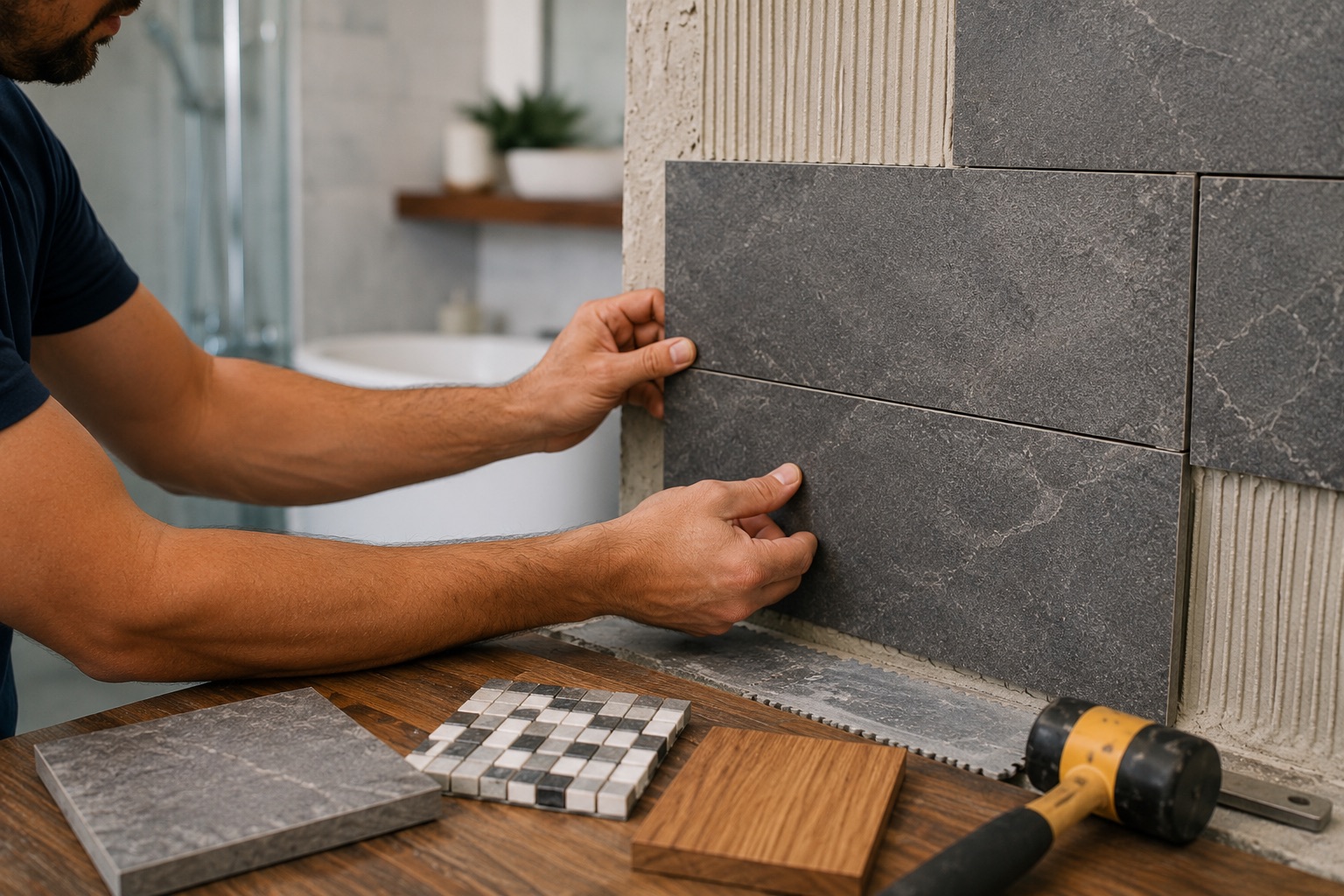
A shower wall has to handle more than daily splashes. It must stand up to heat, soap residue, cleaning products, and the occasional plumbing issue behind the surface. The best materials for shower walls balance water resistance, maintenance, appearance, and installation quality – not just the price of the material itself.
For Dallas-Fort Worth homeowners, the right choice often comes down to how you use the bathroom. A busy family bath may benefit from fewer grout lines and faster cleaning. A primary bathroom remodel may call for custom tile, natural texture, and a layout built around a glass enclosure. Before selecting a finish, look at the full shower system: wall preparation, waterproofing, drain condition, fixtures, ventilation, and the transition at the shower pan or tub.
Best Materials for Shower Walls: A Practical Comparison
Porcelain tile
Porcelain tile is one of the strongest all-around options for shower walls. It is dense, nonporous, highly water-resistant, and available in an extensive range of sizes, colors, and finishes. It can create a clean modern shower, a traditional marble-look design, or a large-format wall with minimal grout joints.
Large-format porcelain is especially practical when homeowners want a refined look without the upkeep of natural stone. Fewer grout lines mean less routine cleaning, although the walls still need proper installation and waterproofing behind the tile. Porcelain also performs well in showers used every day and is a dependable choice for a long-term remodel.
The trade-off is labor. A quality tile shower requires careful substrate preparation, a waterproof membrane, straight layouts, clean cuts around plumbing fixtures, and properly finished corners. Large tiles can make a shower look simple, but they demand a very flat wall and experienced installation. A low tile bid may leave out the work that matters most behind the finished surface.
Ceramic tile
Ceramic tile offers many of the same design advantages as porcelain at a lower material cost. It is a sensible choice for shower walls, particularly for standard-size wall tile, subway tile, and decorative accent areas. Homeowners can use it to create a custom appearance without stretching the budget as far as premium porcelain or stone.
Ceramic is generally less dense and less durable than porcelain, so it is not the first choice for every shower application. Still, good-quality glazed ceramic tile works well on vertical shower walls when installed over a proper waterproof system. It is best suited to homeowners who prioritize design flexibility and value, and who are comfortable maintaining grout regularly.
Smaller ceramic tiles create more grout joints. That can be attractive in a classic shower design, but it also means more areas to clean and seal as needed. Choosing a quality grout and keeping the shower ventilated will make a noticeable difference over time.
Solid-surface wall panels
Solid-surface panels are a strong option for homeowners who want a clean, low-maintenance shower with few seams. These panels are manufactured from durable composite materials and can often be installed in large sheets. They are available in solid colors, stone-inspired patterns, and contemporary finishes.
The main advantage is maintenance. With no field grout joints across most of the wall, there are fewer places for soap scum and mildew to collect. Solid-surface walls are also easier to wipe down than small tile and can be a practical choice for tub-to-shower conversions, rental properties, and homeowners planning to age in place.
Not every panel system is equal. The quality of the material, corner joints, adhesive, trim, and wall preparation all affect the final result. A well-installed panel shower can look polished and perform for years. A rushed installation can leave gaps, weak seams, or water pathways at corners and fixture penetrations. The installer should confirm that the wall system is compatible with the shower base, valve trim, niches, and glass enclosure you plan to use.
Acrylic and fiberglass surrounds
Acrylic and fiberglass surrounds are familiar choices for tub and shower combinations. They are lightweight, economical, and relatively quick to install. Many homeowners select them when replacing a damaged builder-grade surround, updating a secondary bathroom, or completing a repair-focused project on a controlled budget.
Acrylic usually has a smoother, more durable finish than fiberglass, while fiberglass tends to be the least expensive option. Both are easy to clean and have minimal seams compared with tile. They are also available in molded designs with built-in shelves, which can simplify storage in a compact shower.
Their limitation is appearance and repairability. These systems do not offer the same custom look as tile or high-end solid surface, and lower-quality units can flex, scratch, or discolor over time. Proper support beneath a shower base and secure wall fastening are critical. If the surrounding framing or plumbing needs repair, that work should be handled before a new surround covers it.
Natural stone
Natural stone can make a primary bathroom feel distinctive, especially when paired with custom glass, a floating vanity, or a coordinated floor. Marble, travertine, slate, and quartzite each bring natural variation that manufactured materials cannot fully duplicate.
Stone also requires a realistic maintenance commitment. Many varieties are porous and need sealing. Some can be affected by acidic or harsh cleaners, and all require careful product selection. Stone tile can be an excellent choice for a homeowner who values the look and is willing to protect it, but it is rarely the lowest-maintenance answer.
If natural stone is part of the plan, choose the specific material with the shower environment in mind. Polished marble may show etching and water marks more readily than porcelain that mimics marble. Textured stone can add visual depth but may be harder to clean. A contractor should also evaluate weight, substrate requirements, and the need for a fully waterproof shower assembly before installation begins.
What Matters More Than the Wall Finish
Even the best shower wall material can fail if water gets behind it. Tile and grout are not the waterproof layer. Panels and surrounds also depend on sealed joints, correct fastening, and sound walls behind them. The shower needs a complete water-management system, including a properly prepared substrate, waterproofing at seams and corners, secure valve penetrations, and a correctly integrated pan or tub flange.
This is where remodeling experience and repair knowledge matter. A soft wall, recurring loose tile, musty odor, or staining outside the shower may point to a leak or damaged framing rather than a cosmetic problem. Covering those signs with new material without investigating the cause can create a larger repair later.
Ventilation matters as well. A bathroom exhaust fan that actually removes moisture helps protect grout, caulk, paint, cabinetry, and ceiling surfaces. In a busy household, run the fan during showers and for a period afterward. Regularly inspect caulk at corners, around the shower base, and near fixtures. Caulk is a maintenance item, not a permanent substitute for proper waterproofing.
How to Choose the Right Material for Your Bathroom
Start with your priorities. If your goal is the lowest day-to-day maintenance, solid-surface panels or a quality acrylic system may be the better fit. If you want design freedom and a custom layout, porcelain tile is usually the most dependable choice. If you are remodeling for a premium look and accept added care, natural stone can be worth considering.
Then consider the scale of the project. Replacing a tub surround is different from building a curbless walk-in shower with a bench, recessed niche, custom glass, and relocated plumbing. The more customized the shower becomes, the more important it is to coordinate the wall material with drainage, waterproofing, fixture placement, and accessibility needs from the beginning.
Budget should include more than visible materials. Ask what is included for demolition, wall repair, waterproofing, plumbing adjustments, shower base installation, grout or seam finishing, and cleanup. Clear scope details help prevent surprises and make it easier to compare estimates fairly.
For many DFW homes, porcelain tile provides the best blend of durability, appearance, and resale appeal. That does not make it the automatic answer. A well-planned panel system may serve a family bathroom better, while a carefully installed stone shower may be the right finishing touch for a primary suite. The best choice is the one that fits your maintenance expectations and is installed correctly from the wall framing outward.
If you are planning a shower upgrade, Wisez Improvement can help assess the existing condition, explain practical material options, and build a shower that looks finished because the work behind the walls is finished correctly.