
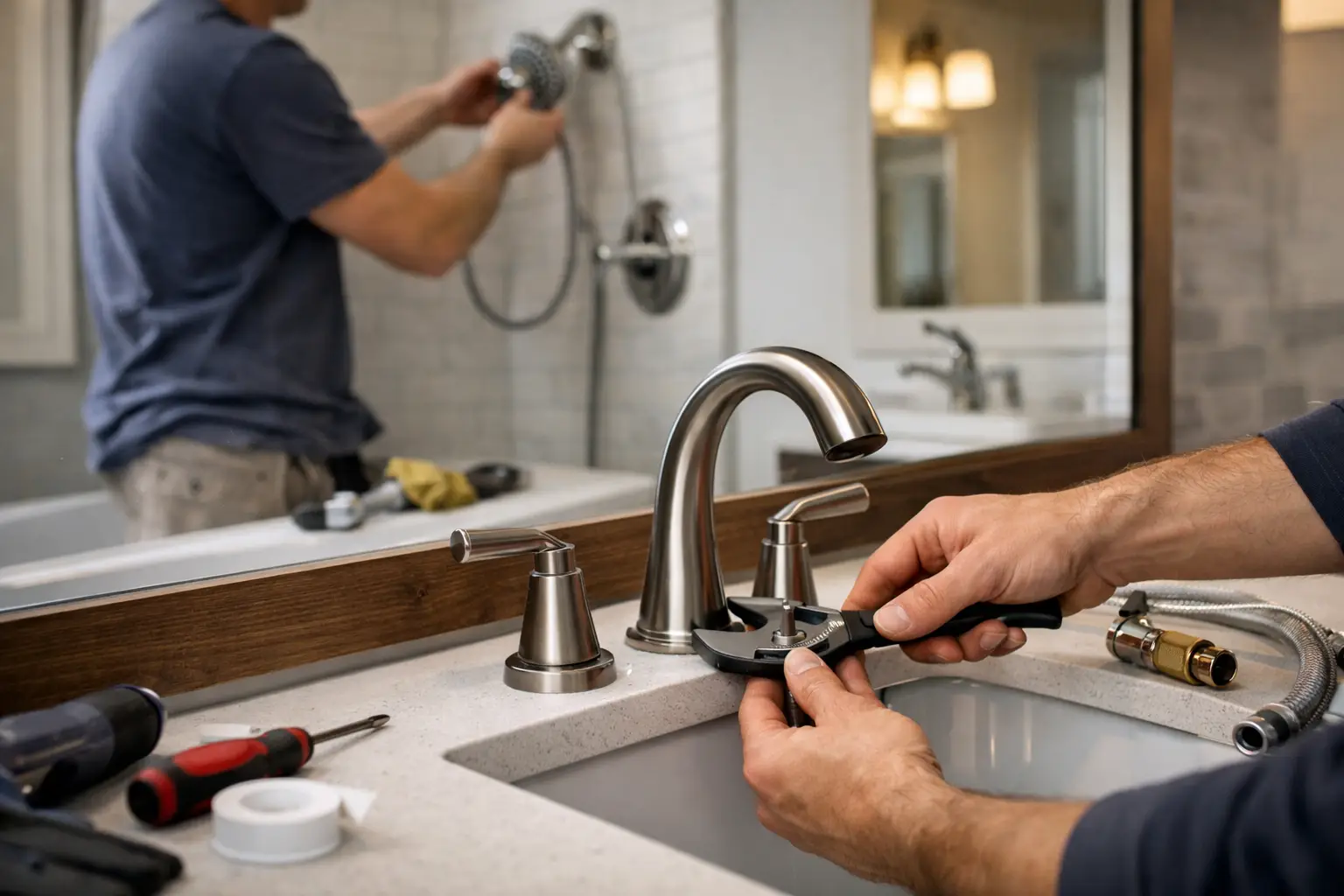
A dripping faucet, weak shower pressure, a toilet that runs overnight, or dated trim can make a bathroom feel worn out long before the room needs a full remodel. Bathroom fixture replacement is often the right next step, but the best results come from looking beyond the visible hardware. The fixture has to fit your routine, work with the existing plumbing, and be installed carefully enough to prevent leaks, damage, and repeat repairs.
For Dallas-Fort Worth homeowners, this work can range from a straightforward faucet or toilet update to a coordinated upgrade of shower controls, vanity plumbing, lighting, and finishes. Knowing what is cosmetic, what affects the plumbing system, and what should be addressed while the wall or vanity is open helps you make a better decision.
When Bathroom Fixture Replacement Makes Sense
Fixtures do not need to be broken beyond use before they are replaced. In many bathrooms, replacement is a practical way to improve daily function without taking on the cost and disruption of a full renovation.
A new faucet may solve corrosion, poor water flow, or a handle that no longer operates reliably. Replacing a toilet can reduce repeated repair calls, improve flushing performance, and update the room’s appearance. New shower trim can make an older bath look cleaner, but it may also be the right time to inspect the valve behind the wall if temperature control is inconsistent or the shower leaks.
Replacement is especially worthwhile when several smaller problems are adding up. A loose vanity faucet, cracked sink drain, worn shutoff valves, and a toilet that rocks at the base are not just inconveniences. Left alone, they can lead to cabinet damage, floor deterioration, hidden moisture, and higher water bills.
There is also a design reason to plan fixture updates together. Matching finishes across the faucet, shower trim, cabinet hardware, towel accessories, and lighting creates a finished look. That does not mean every piece must come from the same manufacturer. It does mean the colors, scale, and style should work together before installation begins.
Start With Function, Not Just the Finish
Brushed nickel, matte black, polished chrome, and warm brass can all look good in the right bathroom. The more useful first question is how the fixture will perform in your home.
A tall faucet may look great with a vessel sink, but it can splash if the sink depth and spout reach are not matched. A widespread faucet needs a vanity top drilled for separate hot and cold handles, while a single-hole faucet needs a compatible opening or an escutcheon plate to cover unused holes. These small details affect both the appearance and the installation cost.
Shower fixtures need even more planning. The trim you see on the wall is only one part of the system. Behind it is a valve that controls water temperature and volume. If you are changing brands or moving from a basic handle to a more specialized shower setup, the existing valve may not work with the new trim. Installing new trim over an incompatible or failing valve can create a bigger repair later.
Toilet selection also depends on more than shape and color. Measure the rough-in, which is the distance from the finished wall to the center of the drain. Most homes use a standard dimension, but assuming can lead to a toilet that does not fit correctly. Consider bowl shape, seat height, flushing performance, water use, and clearance around the door, vanity, and shower.
Know What May Be Hiding Behind the Fixture
The visible fixture is often the easiest part of the job. The condition of the connections behind it determines whether replacement stays simple.
Under a vanity, check for swollen cabinet material, rusted shutoff valves, slow drips, loose drains, and signs of previous water damage. A new faucet installed over a deteriorated drain or a failed shutoff valve does not solve the full problem. It can also make future service more difficult.
At the shower, warning signs include water stains on the ceiling below, soft drywall near the surround, loose tile, a handle that is hard to turn, or water that takes too long to reach a comfortable temperature. These issues do not automatically mean a major remodel is required. They do mean the plumbing should be evaluated before the new trim is installed.
Older bathrooms can present additional variables. Pipe materials, valve access, framing conditions, and past repairs all affect the scope of work. A contractor who handles both bathroom repair and remodeling can help separate a simple fixture swap from a job that needs corrective plumbing or wall repair first.
A word about water pressure
Low shower pressure is not always caused by the showerhead. Mineral buildup can restrict flow, but a partially closed valve, aging supply lines, pressure-balancing valve issues, or a broader plumbing concern may also be involved. Replacing the showerhead can improve the look and sometimes the experience, but diagnosing the cause prevents disappointment.
Plan the Project in the Right Order
Bathroom fixture replacement goes more smoothly when selections are made before work begins. Waiting until a vanity is installed to choose a faucet, for example, can create compatibility problems or delays.
Start by identifying the fixtures that must be replaced because of leaks, damage, or poor operation. Then decide which visible elements should be updated at the same time for a cohesive result. If you are replacing a vanity, it is usually efficient to address the faucet, sink, drain, shutoff valves, and mirror or lighting plan together.
For a shower or tub, confirm the valve type, trim compatibility, and whether you want to retain the existing layout. Moving a showerhead, adding body sprays, converting from a tub to a shower, or changing drain locations can affect plumbing, tile, waterproofing, and budget. A basic trim replacement is very different from a layout change.
Finish lead times matter as well. Some fixtures are readily available, while specialty finishes, custom glass, and certain vanity sizes may take longer. Ordering key materials before demolition or scheduling helps keep the project on track.
Choose Fixtures That Hold Up to Real Use
Bathrooms are high-use spaces, especially in family homes and shared bathrooms. The lowest-priced fixture is not always the best value if cartridges wear out quickly, finishes fade, or replacement parts are hard to find.
Look for solid construction, accessible replacement parts, and finishes that suit the amount of cleaning the bathroom receives. Matte black offers a sharp, modern look, but it can show mineral spots and soap residue depending on your water and cleaning habits. Chrome is classic, easy to coordinate, and often more forgiving. Brushed finishes can soften fingerprints and water spots while working well in both traditional and contemporary bathrooms.
For shower systems, choose controls that are comfortable for every intended user. Lever handles are generally easier to operate than round knobs. Handheld showerheads add flexibility for cleaning, children, pets, and aging-in-place needs. If comfort and long-term accessibility are priorities, consider the placement of controls, grab bars, and a curbless shower plan as part of a larger renovation conversation.
Professional Installation Protects the Rest of the Bathroom
A fixture may look like a small upgrade, but incorrect installation can affect cabinets, tile, drywall, flooring, and the rooms below. Proper work includes secure mounting, sound connections, correctly sealed drains, tested shutoff valves, and a careful check for leaks before the job is complete.
With shower fixtures, the details are even more critical. The valve must be installed at the correct depth for the finished wall, the trim must seal correctly, and water temperature should be adjusted safely. If tile or waterproofing has to be opened, repairs need to protect the bathroom from moisture intrusion, not simply cover the opening.
A professional also helps prevent common purchasing mistakes. That includes selecting a faucet that does not fit the countertop, a vanity trap that conflicts with drawer space, or shower trim that is incompatible with the valve already in the wall. Clear communication before the work starts gives you a more accurate scope, fewer surprises, and a cleaner finished result.
Replacement or Full Remodel: It Depends
A focused replacement project makes sense when the bathroom layout works, surfaces are in good condition, and the plumbing problem is limited. It can refresh an outdated room, correct nuisance leaks, and improve function with less downtime.
A full remodel may be the better investment when multiple systems are failing or when the room has moisture damage, cracked tile, poor storage, an impractical tub or shower, or fixtures that no longer suit the household. In that case, replacing only the visible pieces may postpone work that will eventually need to be done.
The right approach is not always the largest project. It is the one that resolves the underlying issue, fits the condition of the bathroom, and gives you a result you can rely on every day.
Before choosing fixtures, schedule a thorough look at the existing plumbing and surfaces. A few careful measurements and an honest assessment can turn a frustrating bathroom problem into an upgrade that feels right from the first use.