
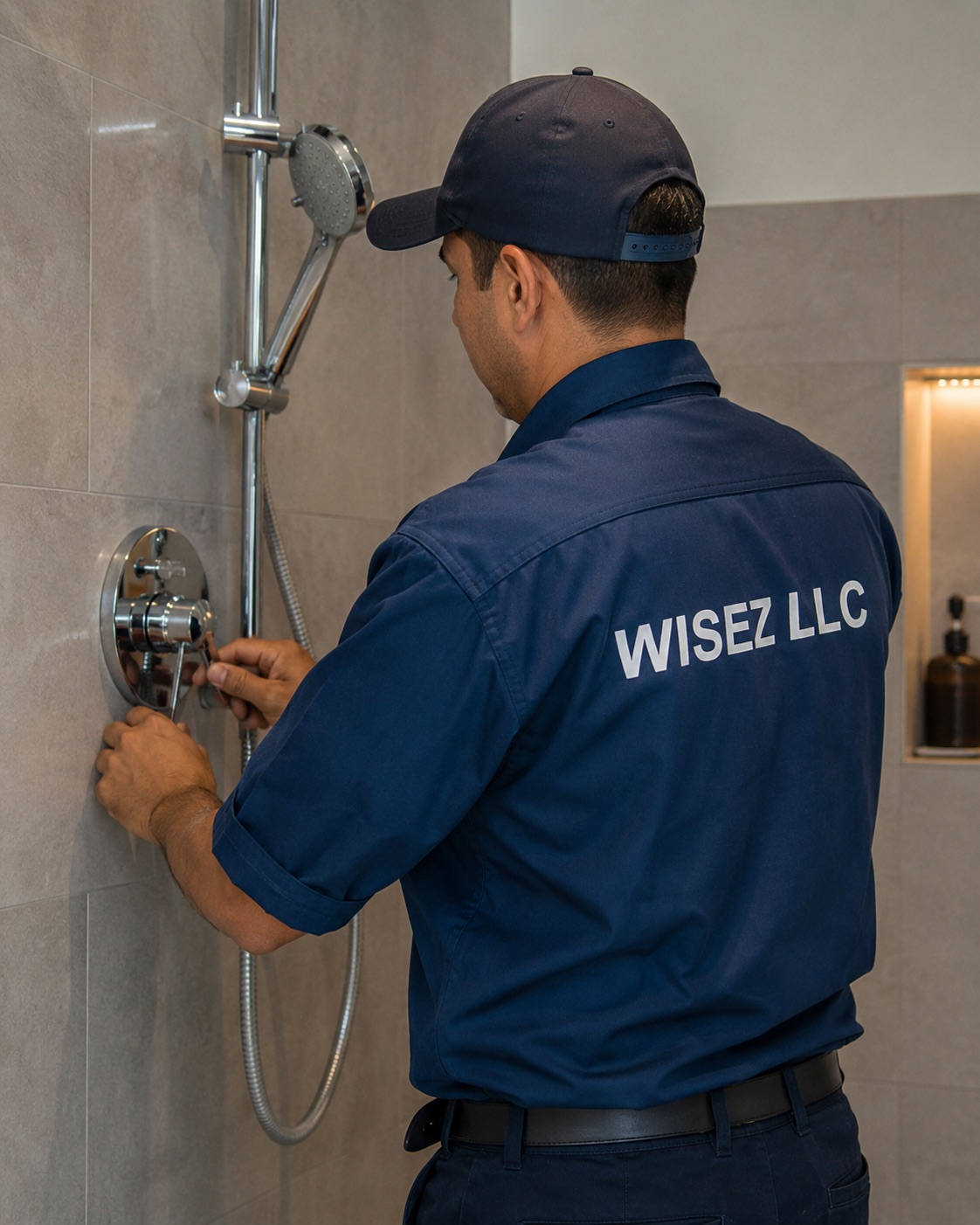
A shower leak rarely stays small. Water can travel behind tile, under a shower pan, or along a pipe before it shows up as a ceiling stain, soft baseboard, loose flooring, or musty odor. If you are asking, why is my shower leaking, the right answer depends on when and where the water appears. Finding that distinction early can prevent a straightforward repair from becoming a larger bathroom renovation.
First, determine when the shower leaks
The timing of the leak is often the fastest clue. If water drips from the showerhead even when nobody is using it, the issue is usually inside the valve, cartridge, or showerhead itself. If water appears only while the shower is running, the problem may involve the plumbing supply lines, drain, shower pan, tile grout, caulk, or door seal.
A leak that appears in the room below only after someone stands in the shower points more strongly to the drain assembly or shower pan. A leak that occurs when water hits the walls, but not when it goes directly down the drain, can indicate failed grout, cracked tile, deteriorated caulk, or missing waterproofing behind the finished surface.
Do not assume the visible wet spot is directly below the source. Water follows framing, pipes, and the lowest available path. The stain on a downstairs ceiling may be several feet away from the actual shower failure.
Common reasons a shower starts leaking
A worn shower valve or cartridge
A showerhead that continues dripping after the handle is turned off is commonly caused by a worn cartridge, rubber seal, or valve component. Mineral buildup is also common in North Texas homes and can keep internal components from sealing properly.
This type of leak may look minor, but constant dripping wastes water and can eventually damage the fixture or valve body. Replacing a cartridge is often a focused repair, although older valves may have corroded parts that require more extensive work.
A loose or damaged drain connection
The drain is one of the most common hidden sources of a shower leak. The gasket under the drain flange can fail with age, movement, or improper installation. Drainpipes and trap connections can also crack or loosen.
A drain-related leak usually occurs only when water is going down the drain. If the shower is on but water is contained in a bucket rather than entering the drain, and the leak does not appear, the drain connection becomes a likely suspect.
A cracked shower pan or failed waterproofing
A shower pan is designed to direct water safely into the drain. If it has a crack, a failed liner, or an installation problem, water can escape underneath the shower floor. Tile showers add another layer of risk because the tile and grout are not the waterproof barrier by themselves. The waterproofing system behind and beneath the tile must remain intact.
Signs of a pan or waterproofing problem include a soft shower floor, loose tile, recurring mold around the base of the shower, damp flooring outside the enclosure, or water damage below the bathroom. These repairs may require selective demolition to expose the failed area. In some cases, especially with an aging shower, rebuilding the shower correctly is more practical than repeatedly patching surface materials.
Failed caulk, grout, or tile
Caulk around shower corners, wall-to-tub joints, fixtures, and glass enclosures is a maintenance item. It can shrink, crack, separate, or grow mildew over time. Grout can also crack or wear away, particularly in showers that move slightly or have poor ventilation.
Replacing caulk is a reasonable homeowner task when the failure is limited and the backing materials are dry and sound. However, new caulk will not solve water getting through a failed pan, open plumbing connection, or improperly waterproofed tile assembly. Treat surface repairs as a solution only after identifying the actual path of the water.
A leaking shower door, curtain, or enclosure
Not every shower leak is inside the wall. Water can escape through a damaged door sweep, worn door seal, misaligned sliding door, loose glass panel, or a shower curtain that does not keep water inside the tub. These leaks usually leave water on the bathroom floor or at the edge of the shower rather than beneath the home.
Check whether the leak happens during normal use, especially when the spray faces a particular wall or door. A door adjustment or new sweep may solve the issue, but cracked glass hardware, loose anchors, and deteriorated surrounding materials should be evaluated before they create a bigger problem.
Leaking supply pipes or fixtures behind the wall
If the wall is wet even when the shower is not in use, or the leak appears when the handle is turned on before water reaches the drain, the supply plumbing may be the issue. A loose connection at the valve, corroded pipe, failed fitting, or cracked shower arm can send water into the wall cavity.
This is not a repair to delay. Hidden plumbing leaks can saturate insulation, damage framing, create mold conditions, and stain adjacent rooms. A professional can test the plumbing, access the source with as little wall removal as possible, and repair the opening properly afterward.
How to narrow down the source safely
Start by drying the shower, bathroom floor, and any visible area below the bathroom. Then run a few simple, controlled tests. Keep the bathroom well lit, and stop immediately if water reaches electrical fixtures, outlets, or a ceiling light.
First, run water directly into a bucket and pour it into the drain. If leaking begins, suspect the drain or drainpipe. Next, plug the drain and fill the shower base with a small amount of water without spraying the walls. A leak at this stage can point to the pan, liner, or drain flange. Finally, drain the base and spray one wall at a time, avoiding the door and threshold until last. This can help identify a wall, corner, fixture, or enclosure problem.
Avoid removing tile, cutting ceilings, or opening walls before the source is reasonably confirmed. Those steps can be necessary, but unnecessary demolition adds cost and makes cleanup harder. Moisture meters, plumbing pressure tests, and experienced inspection are often more efficient when the leak is hidden.
When a shower leak needs professional repair
Call for help promptly if you see ceiling staining, bubbling paint, warped flooring, a soft shower base, visible mold, loose tile, or persistent moisture around the shower. The same applies if you have resealed the shower and the leak continues. Those signs suggest water is getting beyond the finish materials.
A repair should address both the leak and the damaged area around it. Replacing a valve cartridge without checking moisture damage, for example, can leave a separate wall issue unresolved. Likewise, patching grout without confirming the drain and pan are sound may only hide the problem temporarily.
For Dallas-Fort Worth homeowners, Wisez Improvement can assess shower leaks that involve plumbing, tile, shower pans, glass, and surrounding bathroom finishes. That matters when one problem crosses more than one trade. A clear diagnosis helps determine whether the best next step is a targeted repair, a shower rebuild, or a broader bathroom update.
If you need to keep using the shower before it is repaired, reduce use as much as possible and keep water away from the suspected area. Dry the bathroom floor after every use, run the exhaust fan, and document any expanding stains or damage. Acting while the evidence is still visible gives your repair team a better chance of finding the source before water has time to spread further.