
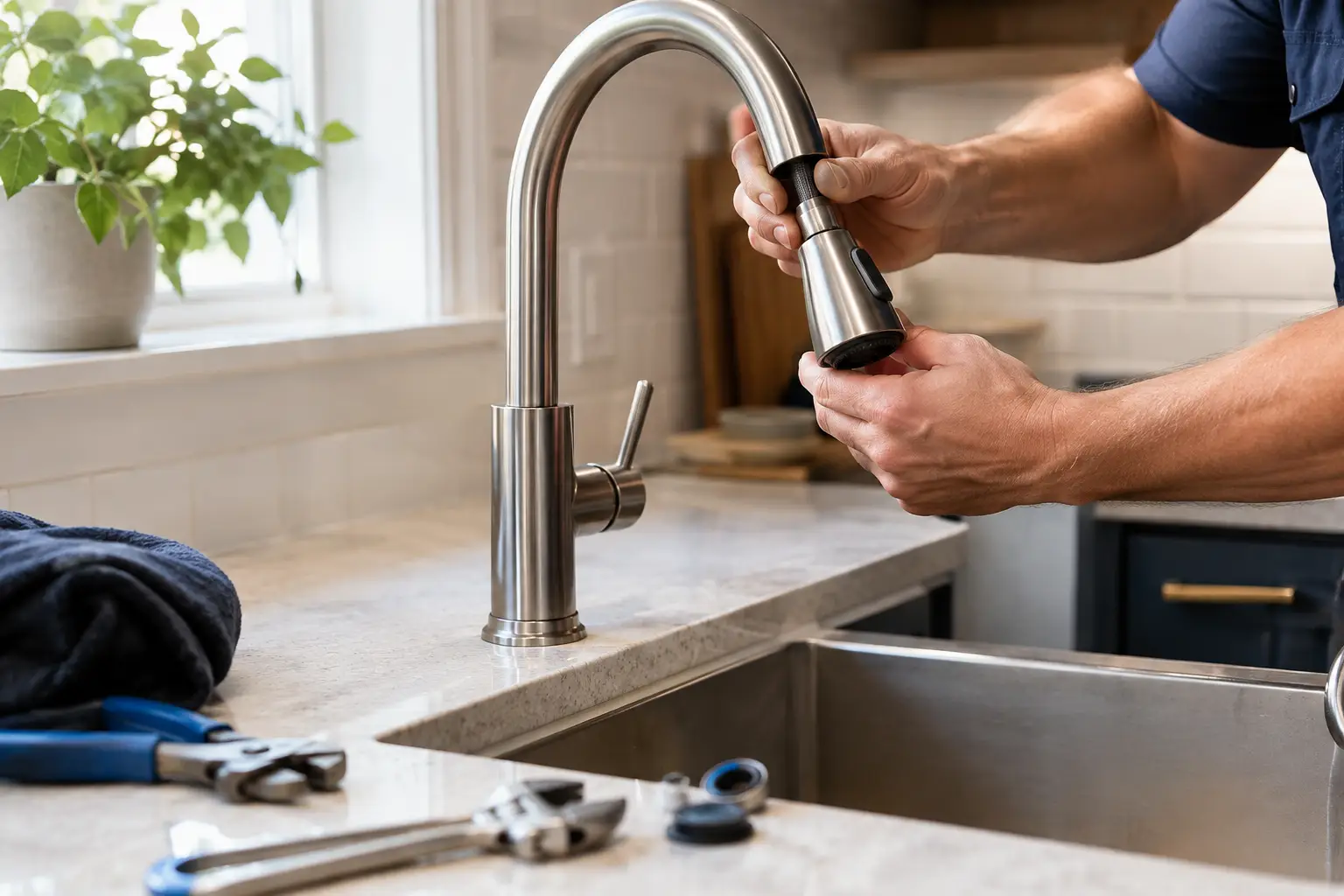
A bathroom upgrade can solve more than an outdated look. Water saving fixtures can reduce unnecessary water use, address recurring leaks, and improve daily comfort without turning a shower into a weak trickle or a sink into a slow inconvenience. For Dallas-Fort Worth homeowners, the best results come from choosing fixtures that fit the home’s plumbing, household habits, and renovation goals.
The right fixture is not always the lowest-flow option on the shelf. A well-planned upgrade balances performance, durability, installation quality, and the condition of the plumbing behind the wall.
Where Water Is Commonly Wasted in a Bathroom
Most bathroom water loss is easy to overlook because it happens in small amounts throughout the day. A dripping faucet, a toilet that occasionally runs after flushing, or a showerhead with more flow than the household needs can add up over time. Older fixtures may also have worn cartridges, corroded supply connections, or failing seals that waste water before the homeowner notices a visible problem.
Toilets are often the biggest opportunity. Many older models use substantially more water per flush than current efficient options. Replacing a toilet during a bathroom remodel can improve water use while giving the room a cleaner, more updated appearance. It is also a practical time to inspect the shutoff valve, flange, drain connection, and flooring around the base for hidden issues.
Showers and faucets deserve attention as well. A dated showerhead may use more water than necessary, while a faucet that drips only when the handle is in a certain position may need repair or replacement. These are small details, but they matter in a bathroom used by a busy family every day.
Water Saving Fixtures Worth Considering
High-efficiency toilets
Modern high-efficiency toilets use less water per flush than older standard models while still providing reliable waste removal. The best choice depends on the bathroom layout, drain condition, bowl shape, height preference, and the needs of the people using it.
Dual-flush toilets offer separate flush options for liquid and solid waste. They can be useful in a household that wants more control over water use, but the added mechanism is not automatically the right answer for every bathroom. A quality single-flush high-efficiency toilet can be simpler to operate and maintain, especially in a guest bath or rental property.
Performance matters more than a label alone. A toilet that requires repeat flushing can erase the intended savings and frustrate the people using it. During a remodel, choosing a reputable model and installing it correctly is more valuable than selecting the cheapest efficient fixture available.
Low-flow showerheads with real pressure
A common concern is that a low-flow showerhead will make showers less comfortable. That can be true with poorly designed products or with a home that already has low water pressure. However, many current showerheads use better spray patterns, aeration, and pressure-compensating technology to provide a satisfying shower with less water.
Before replacing a showerhead, consider the existing valve, water pressure, and pipe condition. If the shower has uneven temperature, weak flow, or a delay before hot water arrives, the issue may not be the showerhead itself. A contractor can determine whether a new fixture will solve the problem or whether the shower valve, cartridge, piping, or water heater needs attention first.
For a custom shower renovation, fixture placement also affects performance. A rain showerhead, handheld wand, wall-mounted head, or combination setup can all work efficiently when the valve and plumbing are planned correctly. The goal is a shower that feels comfortable and functions reliably, not simply one with the lowest stated flow rate.
Efficient bathroom faucets
Bathroom faucets are a straightforward place to reduce water use, particularly in homes with several bathrooms. Aerators mix air into the water stream, helping a faucet feel usable while limiting the amount of water flowing from the spout. Many homeowners notice little difference in normal tasks such as handwashing, brushing teeth, or shaving.
A faucet upgrade also creates an opportunity to improve function and style. Single-handle faucets are easy to operate, while widespread and wall-mounted options can make a vanity feel more custom. The right choice depends on the sink, countertop configuration, cabinet layout, and available space behind the vanity.
Do not assume a new faucet will correct a leak below the sink. A failing drain assembly, damaged supply line, or loose shutoff valve may need separate repair. Completing that work while the vanity is open can prevent a small plumbing issue from damaging cabinets or flooring later.
Smart controls and leak-conscious upgrades
Touchless faucets and timed controls can reduce unnecessary water use in the right setting, though they are not essential for every home. They are more common in commercial spaces, shared bathrooms, and households where hygiene or convenience is a priority. In a residential bathroom, simple mechanical fixtures are often easier to service and can offer excellent long-term value.
Leak detection systems and smart water monitors can be helpful for homeowners who travel often or manage multiple properties. These devices can alert owners to unusual water use, but they should complement, not replace, sound plumbing repairs. If a toilet is running or a supply line is deteriorating, correcting the cause remains the priority.
Choosing Fixtures for Your Household, Not a Product Label
A family bathroom has different demands than a powder room used mainly by guests. A primary bath may need a stronger shower experience, multiple users may need a toilet with dependable flushing performance, and a homeowner planning to age in place may prefer comfort-height fixtures and easy-to-use handles.
Design should be part of the decision, too. Water-saving fixtures are available in finishes and styles that fit modern, traditional, transitional, and minimalist bathrooms. Coordinating the faucet, shower trim, toilet, lighting, vanity hardware, and glass enclosure creates a finished look. Choosing products solely for their efficiency rating can leave the room feeling mismatched or create installation complications.
It also helps to think about serviceability. Popular fixture brands with readily available replacement cartridges, valves, and parts are generally easier to maintain. An unusual imported fixture may look appealing, but future repairs can become expensive or delayed if replacement components are hard to find.
Installation Quality Protects the Savings
Even a well-made fixture can waste water if it is installed incorrectly. A toilet with a poor seal can leak at the base. A faucet with improperly tightened connections can drip inside a vanity. A shower valve set at the wrong depth can create trim problems, and older plumbing connections may fail when disturbed during an upgrade.
This is why fixture replacement should begin with an honest look at the existing bathroom. In older DFW homes, plumbing may include aging shutoff valves, outdated drain connections, or water-damaged subflooring around a toilet or tub. Addressing these conditions during the project is usually more practical than installing new finishes over an unresolved problem.
For larger bathroom renovations, a coordinated approach makes a difference. Tile work, waterproofing, shower plumbing, vanity installation, glass measurements, and fixture placement all need to work together. Wisez Improvement approaches these projects with both remodeling and repair in mind, helping homeowners avoid the gap between a bathroom that looks finished and one that is actually built to perform.
Small Habits That Help Fixtures Last
Water-efficient fixtures need basic care, not constant attention. Clean aerators and showerhead nozzles when mineral buildup affects the spray pattern. Avoid forcing faucet handles that feel stiff, since that can damage cartridges or internal components. Test toilets occasionally to make sure they stop running after a flush, and address slow leaks before they become cabinet, flooring, or ceiling damage.
If water pressure suddenly changes, a fixture replacement may not be the answer. The issue could involve a clogged aerator, a failing cartridge, a shutoff valve that is not fully open, or a broader plumbing concern. A proper inspection can prevent unnecessary purchases and focus the repair where it belongs.
A water-conscious bathroom should still feel comfortable, clean, and easy to use. Start with the fixture causing the most trouble, then choose upgrades that fit the way your household actually lives. When the plumbing, installation, and design are handled together, saving water becomes a practical improvement you can rely on every day.