
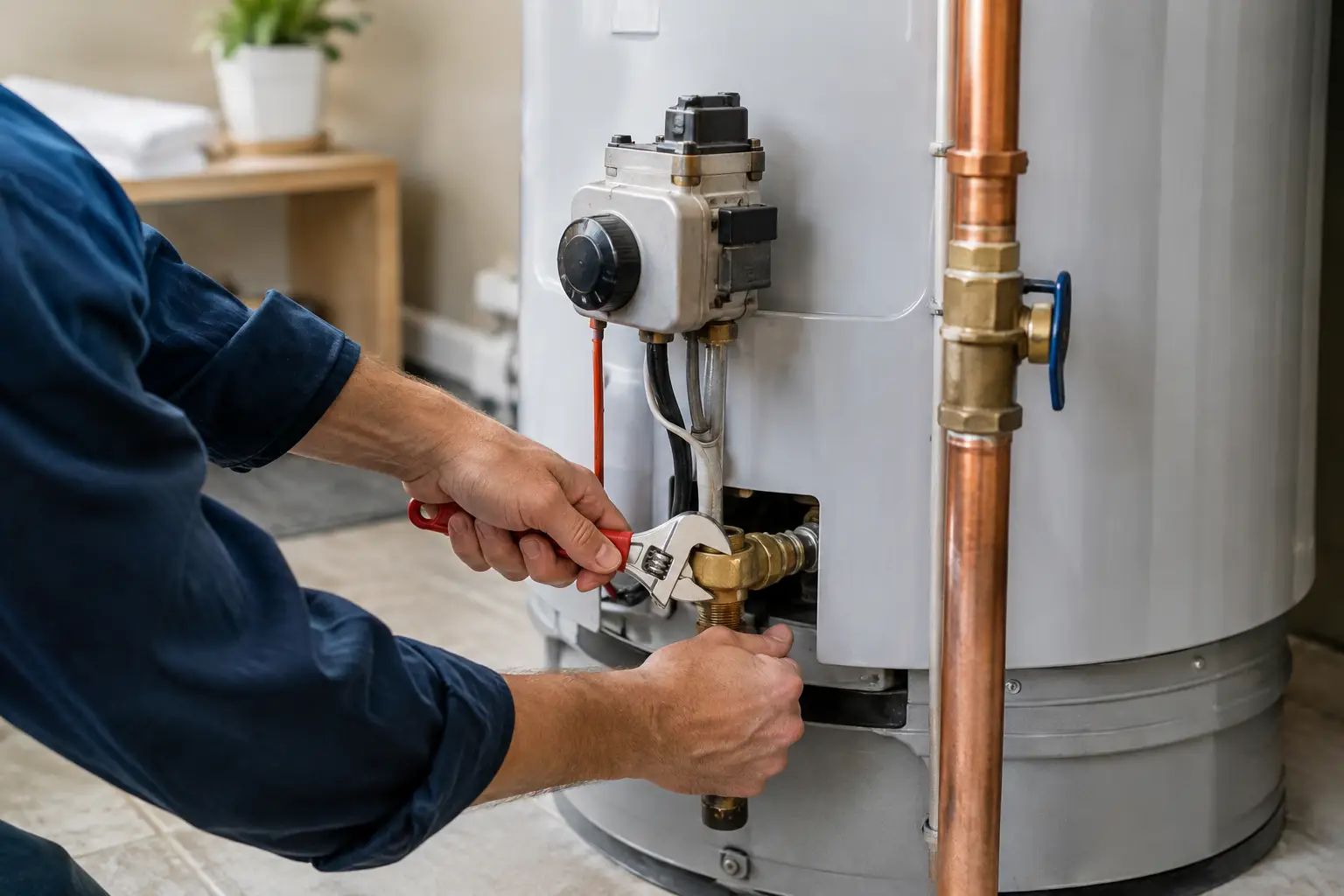
A water heater rarely fails at a convenient time. It usually shows up as a cold shower before work, water collecting near the utility closet, or a higher-than-normal gas or electric bill. Regular water heater maintenance gives homeowners a chance to catch those warning signs before a small issue becomes water damage, a ruined floor, or an emergency replacement.
For homeowners in the Dallas-Fort Worth area, hard water and long hot summers can make a practical maintenance routine especially worthwhile. The goal is not to take apart a working system every month. It is to check the components that affect safety, efficiency, and service life, then call a qualified plumbing professional when the job goes beyond a basic inspection.
Why Water Heater Maintenance Pays Off
Most conventional tank water heaters are built to last roughly eight to 12 years, although installation quality, water conditions, usage, and maintenance all affect that range. Tankless units can often last longer, but they still require periodic descaling and inspection. Neglect does not guarantee a failure, but it increases the odds of sediment buildup, corrosion, reduced hot-water capacity, and leaks.
Sediment is a common concern in North Texas. Minerals in the water settle at the bottom of a tank over time. That layer makes the burner or heating elements work harder to heat the water. You may hear popping or rumbling sounds, notice less available hot water, or see energy costs climb. Left long enough, sediment can contribute to overheating and premature tank failure.
Maintenance also protects the areas around the water heater. A slow leak from a fitting, drain valve, or corroding tank may go unnoticed until it damages drywall, baseboards, cabinetry, or flooring. In a bathroom remodel or a home with recently upgraded finishes, preventing that kind of damage matters as much as extending the appliance’s life.
A Practical Water Heater Maintenance Routine
A few checks can be completed by a careful homeowner. Others are better handled during professional service, particularly if the heater is gas-powered, installed in an attic, or showing signs of a problem.
Check the area around the unit every few months
Start with a visual inspection. The area around the heater should be dry, accessible, and free of stored boxes, paint, cleaning supplies, or combustible materials. Look for moisture around the base, rust on the tank or connections, mineral deposits on pipes, and staining on nearby walls or floors.
A small amount of water at the temperature and pressure relief valve discharge pipe deserves attention. That valve is a critical safety device designed to release water if pressure or temperature rises too high. It should not drip regularly. Do not cap, plug, or block the discharge pipe. If it is leaking, a plumber should determine whether the valve itself is worn or whether the system has a pressure or expansion issue.
For a gas water heater, take notice of unusual smells, soot, discoloration, or a weak-looking burner flame. A steady blue flame is generally what you want to see. Yellow flames, soot, or a gas odor require prompt professional attention. If you smell gas, leave the area, avoid switches and open flames, and contact the gas utility or emergency services from a safe location.
Test the temperature and pressure relief valve carefully
Many manufacturers recommend testing the relief valve periodically, often once a year. Before doing so, read the unit manual and make sure the discharge pipe directs water safely to an appropriate location. The water can be extremely hot.
Lift the test lever briefly and listen for water to flow, then confirm the valve closes completely. If it will not open, continues leaking afterward, or the outlet pipe is damaged, stop there and schedule service. A stuck or failing relief valve is not a part to ignore or improvise around.
Flush sediment from a tank heater
Flushing a storage-tank water heater once a year is a common recommendation, but the right schedule depends on water hardness, the age of the heater, and its condition. Homes with noticeably hard water may benefit from more frequent service. A newer tank with no symptoms may only need a partial flush and inspection.
The basic process involves shutting off the energy source, connecting a hose to the drain valve, and draining water into a safe location. However, older drain valves can stick or start leaking after they are operated. Large amounts of sediment can also clog a valve. If the heater has not been flushed in years, makes loud rumbling sounds, or sits in an attic or finished space, professional flushing is the safer choice.
It is also worth understanding the trade-off: flushing can help efficiency and remove loose sediment, but it cannot reverse tank corrosion. If the tank is near the end of its expected life, rusty water is present, or there is visible corrosion at the base, a replacement evaluation may be more sensible than putting money into repeated repairs.
Set a safe, efficient temperature
A setting around 120 degrees Fahrenheit works well for many households. It helps reduce scald risk while keeping water hot enough for normal bathing, cleaning, and dishwashing needs. Some households may need a higher setting for specific health or appliance requirements, but higher temperatures increase energy use and burn risk.
If water feels too hot or too cool at fixtures, the problem may not be the thermostat alone. A failing mixing valve, crossover issue, mineral buildup, or plumbing repair need can create inconsistent temperatures. A technician can identify the cause instead of simply turning the thermostat up.
Inspect connections and shutoff valves
Look at the cold-water supply line, hot-water outlet, and visible valves for corrosion or moisture. Make sure you know where the water shutoff valve is and that it can be reached quickly. In an emergency, stopping the water early can limit damage while you arrange repairs.
If your heater uses flexible connectors, they should not be kinked, strained, or visibly corroded. A properly installed drain pan and drain line are also valuable safeguards, especially for water heaters located in attics, closets, or on upper floors. These details may not prevent a tank from failing, but they can greatly reduce the damage if it does.
Tankless Water Heater Maintenance Needs Different Care
Tankless water heaters do not store hot water, so they avoid the large tank sediment layer found in conventional units. That does not mean they are maintenance-free. Mineral scale can collect inside the heat exchanger, restricting flow and reducing performance.
Most tankless systems need periodic descaling with the proper solution and service procedure. The frequency depends on the model, household use, and local water hardness. Some systems display a maintenance reminder, while others simply start delivering less consistent hot water. Cleaning the inlet water filter and checking venting, condensate drainage, and error codes should also be part of professional service.
Because tankless units involve electronics, gas components, and precise flow requirements, annual service is usually a sound investment. It is particularly helpful before a busy household starts noticing temperature swings during back-to-back showers.
Signs It Is Time to Call a Professional
Do not wait for a complete shutdown if you see a problem. A professional inspection is appropriate when there is water around the tank, rusty or discolored hot water, low hot-water volume, strange noises, inconsistent temperatures, recurring relief-valve discharge, or visible corrosion. Gas odors, electrical concerns, and active leaks require faster action.
Age matters, too. If a tank heater is approaching 10 years old, check the serial number for its manufacture date and plan ahead. Replacement is less stressful when it is scheduled around your needs rather than forced by a flooded utility area. It can also be a good time to consider capacity, energy source, recirculation options, and whether the existing location still makes sense for your home.
Wisez Improvement helps homeowners address plumbing-related bathroom concerns with clear communication and practical repair recommendations. When a water heater issue affects a bathroom upgrade, fixture performance, or surrounding finishes, the right repair plan should account for the whole space, not just the appliance.
A little attention now can keep your hot water dependable and give you more control over the next repair decision. If you notice a leak, unusual noise, or unreliable temperature, schedule an inspection before the problem chooses the timing for you.